
Acanthocalycium leucanthum
Acanthocalycium leucanthum
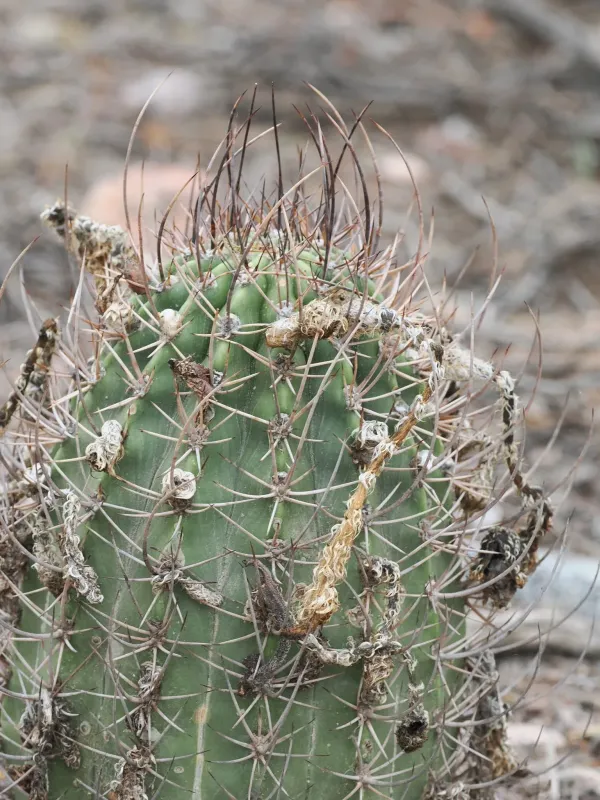
Description
Sowing dates
The sowing of Acanthocalycium leucanthum seeds is best performed during the spring season, specifically from March to April. A stable temperature of 20–25 degrees Celsius is critical for successful germination.
The substrate for sowing must be highly permeable, consisting of a mix of sand, perlite, and a small amount of fine peat. Seeds should be placed on the surface without deep burial.
Creating a mini-greenhouse effect by covering the pot with clear film helps maintain constant humidity, which is vital for the fragile seeds to sprout.
Daily ventilation of the sowing container is mandatory to prevent fungal development and mold formation, which can quickly destroy small seedlings.
Once the seedlings develop their first set of thorns, they should be gradually acclimated to ambient air conditions before transplanting them into individual small pots.
Growing requirements
Acanthocalycium leucanthum is a member of the Cactaceae family, native to the arid mountainous regions of Argentina. It requires intense, bright light to maintain its robust growth and healthy coloration.
The soil requirements involve a well-draining, mineral-based medium. Using a mix with plenty of inorganic components like volcanic rock or coarse sand is recommended to avoid root suffocation.
Watering should be managed carefully, ensuring the substrate dries out completely between intervals. Excessive water retention in the root zone is a common cause of failure in cultivation.
The plant features a distinctive globose to cylindrical stem with prominent ribs. This structure allows the cactus to store reserves during extreme environmental shifts in its native habitat.
During winter dormancy, the plant requires a cool environment with temperatures around 8–12 degrees Celsius and almost zero water supply to trigger its flowering potential in the following spring.
Main diseases and pests
The primary threat to Acanthocalycium leucanthum is root rot caused by poor drainage or excessive watering. Fungal pathogens can invade the soft tissues of the stem very rapidly.
Spider mites are common pests that thrive in warm, dry, and poorly ventilated environments. They cause unsightly damage to the cactus epidermis by sucking out plant fluids.
Mealybugs often infest the areas between the ribs, where they are protected by the thorns. Manual removal using alcohol-soaked tools is often necessary for early intervention.
Etiolation, characterized by abnormal stretching of the stem, occurs when the plant is deprived of sufficient sunlight, making the cactus structurally weak and prone to collapse.
Proactive care, including the use of sterilized soil and maintaining proper air circulation, is the best strategy for protecting the plant against common botanical pests and diseases.