
Acanthocalycium spiniflorum
Acanthocalycium spiniflorum
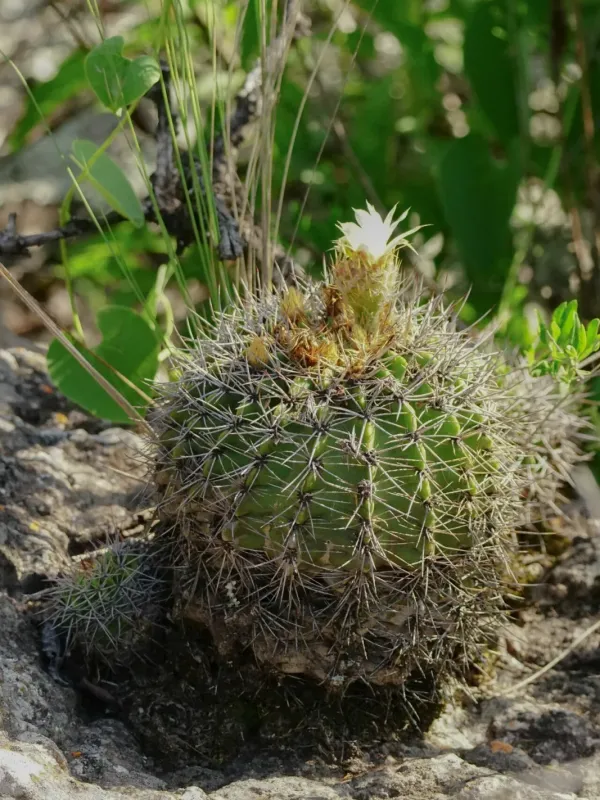
Description
Sowing dates
Sowing seeds of Acanthocalycium spiniflorum is best performed during the spring season when the light intensity naturally increases. March to May is considered the optimal window for achieving high germination rates.
The potting medium should be well-drained, consisting of a mix of loam, leaf mold, and coarse sand. It is essential to sterilize the soil before sowing to prevent damp-off, a common fungal issue that kills seedlings quickly.
Seeds should be spread evenly over the moist surface of the substrate without burying them deep, as they require some light to germinate. A light dusting of fine sand can help maintain the correct position for the emerging sprouts.
Covering the container with a transparent cover maintains high humidity levels necessary for the germination process. Keep the setup in a warm area with stable temperatures between 22 and 25 degrees Celsius.
Once seedlings begin to develop their first spines, the cover should be removed gradually to acclimate the plants. Individual transplanting occurs when the cacti reach the size of a marble, usually several months after germination.
Growing requirements
Acanthocalycium spiniflorum is a member of the Cactaceae family, originating from the mountainous regions of Argentina. This plant thrives in bright, direct sunlight, which is crucial for maintaining its robust, healthy form and stimulating vibrant flowering.
During the growing season, from spring through autumn, the plant prefers warm days and cooler nights. Outdoor placement in a well-ventilated area can significantly improve the plant's health and resistance to common indoor pests.
Watering requires a careful balance; the soil must be allowed to dry out completely between waterings. During winter, the plant enters a dormant phase and requires a cool, dry environment with temperatures around 10 degrees Celsius.
The soil mix should be slightly acidic and very porous to ensure rapid drainage. Adding inorganic components like perlite, pumice, or fine gravel is highly recommended to mimic the rocky habitat of the native environment.
Fertilization is needed only during the active growth phase, utilizing a low-nitrogen, cactus-specific liquid fertilizer. Over-fertilizing can lead to weak tissue growth that is more susceptible to rot and insect infestations.
Main diseases and pests
Spider mites are the most frequent pests, especially when the indoor air is too dry. These microscopic insects create fine webs and cause the skin of the cactus to become pale, affecting its aesthetic and physiological health.
Mealybugs are another common threat, often found hidden in the crevices between the ribs of the cactus. They appear as white, cotton-like masses and can be controlled with systemic insecticides or manual removal using alcohol-dipped tools.
Root rot is a critical risk associated with overwatering or poor drainage. The first signs include a softening of the base of the plant and a change in color, indicating that the vascular system is failing due to waterlogging.
Providing adequate airflow around the plant is the best preventive measure against fungal outbreaks. Ensuring that the cactus is not sitting in stagnant water prevents the onset of soil-borne diseases that are difficult to cure.
In cases of severe damage, surgical removal of the decayed parts is necessary. After pruning the roots or cleaning out rot spots, the plant must be allowed to callus over for several days before being replanted into fresh, dry substrate.