
Witchweed
Striga asiatica (L.) Kuntze
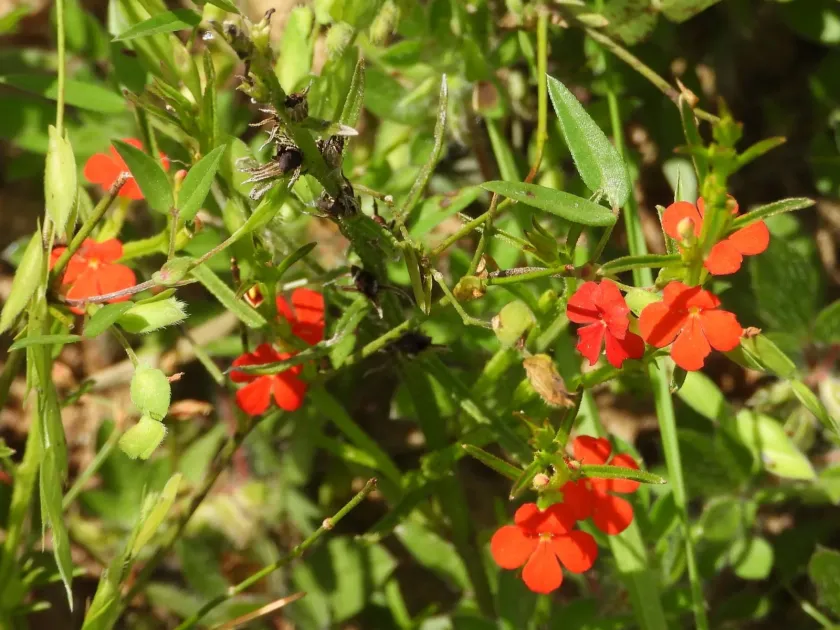
Description
Growing requirements
Witchweed (Striga asiatica) is an obligate root parasite belonging to the Orobanchaceae family. Unlike conventional agricultural crops, this plant lacks chlorophyll and relies entirely on host plants for its survival, drawing nutrients and water directly from their root systems.
Originating from Africa and parts of Asia, this weed has become a global menace. It poses a severe threat to cereal production, specifically targeting crops such as maize, sorghum, rice, and millets by infiltrating their vascular systems.
The biological cycle of witchweed is triggered by chemical exudates, known as strigolactones, produced by host roots. Without these signals, the tiny seeds of the plant can remain dormant in the soil for over a decade, waiting for a suitable host to appear.
The weed thrives in warm, well-drained soils and is highly adapted to tropical and subtropical climates. Its rapid proliferation is favored by monoculture practices, which allow the parasite to build up large seed banks in the soil over time.
Effective agronomic management requires a combination of strategies, including the use of trap crops that trigger germination without supporting the parasite, and long-term crop rotation with non-host species to deplete the seed bank.
Main diseases and pests
As a quarantine weed, Striga asiatica represents an extreme threat to food security. Infested fields often experience total crop failure, as the parasite competes for essential resources long before any visible signs of infection appear above the soil surface.
The physiological stress caused by witchweed makes host plants significantly more susceptible to various diseases. Weakened by the parasite's nutrient theft, crops become prone to root rots, wilting, and other environmental stressors that further diminish yields.
There are no specific pests that can effectively curb witchweed populations to an acceptable level. Management is complicated because any intervention must be selective enough to prevent damage to the actual food crop while targeting the attached parasite.
The economic impact of witchweed is profound, affecting millions of smallholder farmers. The weed is known for its ability to devastate entire agricultural sectors, leading to significant financial losses and land abandonment in highly affected regions.
Preventative measures are the first line of defense. These include strict seed cleaning to avoid spreading contaminated seeds to clean fields, the development of parasite-resistant crop varieties, and integrated weed management programs that prioritize soil sanitation.