
Striga euphrasioides
Striga euphrasioides (Vahl) Benth.
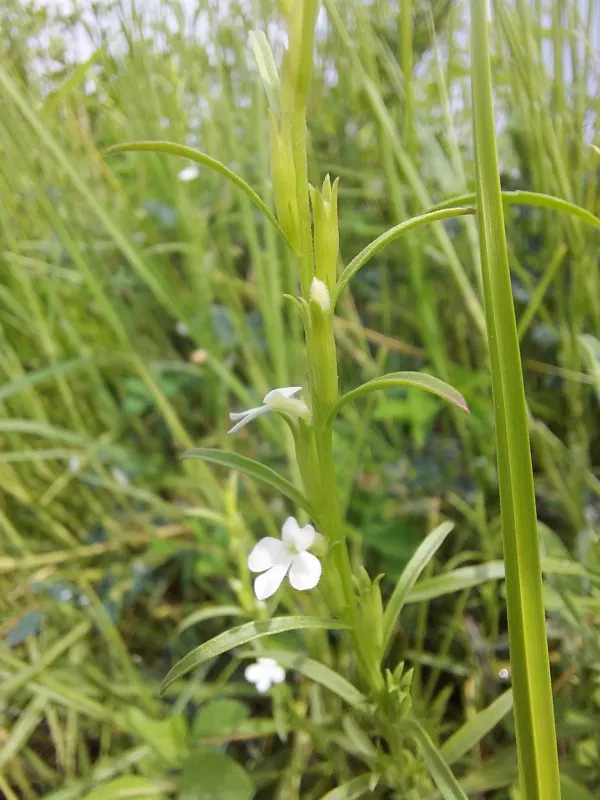
Description
Sowing dates
Striga euphrasioides is not a cultivated crop but a destructive parasitic weed that infiltrates cereal plantations. It relies entirely on host plants to survive during its early stages of development, making it a significant threat to global food security in affected regions.
The plant does not require sowing, as its seeds lie dormant in the soil for many years, germinating only when they detect strigolactone signals released by the roots of nearby cereal crops such as rice or maize.
Upon germination, the seedling immediately seeks a host root to form a specialized attachment organ known as a haustorium. This mechanism allows the parasite to hijack the vascular system of the host plant to withdraw water and nutrients.
The timing of infestation is perfectly synchronized with the host plant's growth cycle. In regions with warm climates, the parasitic emergence often happens shortly after the crop establishment phase, leading to maximum yield suppression.
Effective agricultural management involves inducing germination of the parasite seeds in the absence of a host, a technique known as suicidal germination, which helps to deplete the soil seed bank.
Growing requirements
This species is a member of the Orobanchaceae family. It is recognized as a hemiparasite, meaning that while it contains chlorophyll and can photosynthesize, it depends on its host for most of its life-sustaining resources.
The weed thrives in tropical and subtropical climates where high temperatures and distinct dry/wet cycles prevail. It is highly adapted to nutrient-poor soils where crop plants are already under stress and lack the vigor to resist parasite attachment.
Soil conditions favoring the weed include well-drained loamy or sandy textures. High levels of sunlight are essential for the parasite once it emerges above the soil surface to continue its reproductive cycle.
Cultural practices such as deep plowing and the use of nitrogenous fertilizers can sometimes reduce the impact of the infestation, although they are rarely sufficient to eradicate the weed population entirely.
Host availability is the primary requirement for the survival of this species; without the chemical cues provided by cereal root exudates, the parasite will typically die within a few days of germination.
Main diseases and pests
The primary threat posed by Striga euphrasioides is its devastating impact on crop yield, which can lead to total crop failure if the infestation level is high and left unmanaged.
Plants affected by this parasite exhibit severe symptoms, including stunted height, wilting, and chlorosis, even when water is readily available, due to the direct extraction of water and minerals by the weed.
It acts as a prolific producer of seeds, which makes the long-term control of this plant extremely difficult for farmers. The seeds are small and easily transported via agricultural tools, irrigation water, and wind.
Integrated weed management programs are essential, incorporating the use of resistant host cultivars, careful site monitoring, and hand-weeding before the parasite reaches the flowering and seed-setting stage.
- Removal of infected plants before flowering
- Rotation with non-host crops like legumes
- Improved soil fertility management
- Use of herbicide-coated seeds where applicable