
Westringia
Westringia hybrids
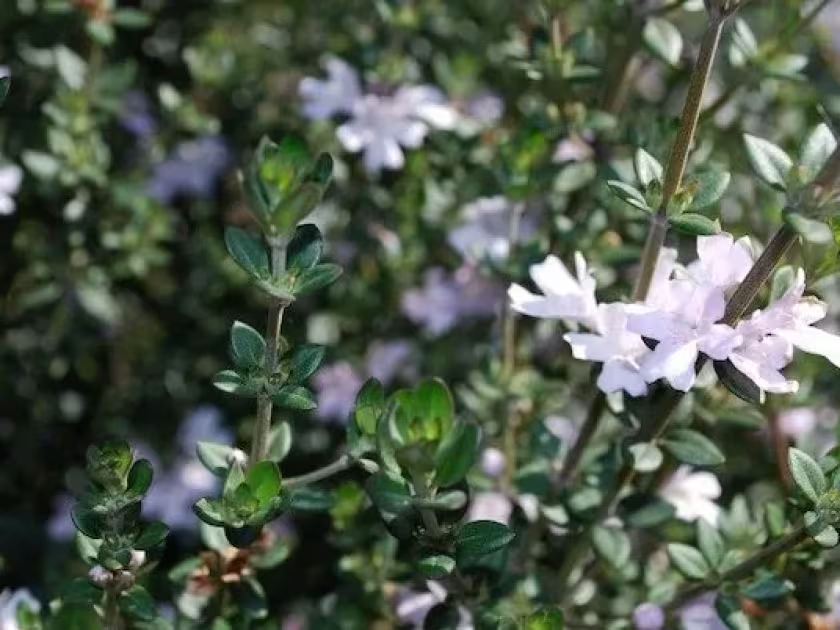
Description
Growing requirements
Westringia, commonly known as Australian rosemary, belongs to the Lamiaceae family. Native to Australia, this evergreen shrub is highly valued for its dense foliage, resemblance to culinary rosemary, and its ability to withstand coastal conditions and salt spray.
This crop requires full sun exposure to maintain its compact shape and promote consistent blooming throughout the growing season. In cooler climates, it must be grown in containers to ensure it can be moved indoors during periods of frost or extreme cold.
The ideal soil for Westringia is sandy, well-draining, and slightly acidic to neutral. High-quality drainage is the most critical factor in successful cultivation; any soil that retains excess moisture will likely result in root rot and poor plant performance.
Management involves regular pruning to keep the shrub dense and manageable. Westringia is famous for its adaptability to shearing, making it an excellent candidate for hedges, topiary art, and formal garden designs where precise aesthetics are required.
Watering should be managed carefully, favoring a "soak and dry" cycle. While young plants need consistent moisture to establish their root system, mature shrubs exhibit remarkable drought tolerance and perform best when the soil is allowed to dry out between watering sessions.
Main diseases and pests
Fungal diseases related to high humidity and poor air circulation represent the primary threat to Westringia. Phytophthora root rot is particularly devastating and usually occurs in poorly drained soils or overwatered potting mixes.
Pests such as mealybugs, scale insects, and aphids can occasionally infest the stems and undersides of leaves. These pests thrive in stagnant air conditions, which often occur when the shrub is planted too densely or kept in poorly ventilated greenhouse environments.
Effective pest management includes routine inspections and the application of horticultural oils or insecticidal soaps at the first sign of infestation. Keeping the shrub pruned helps improve airflow, which acts as a strong natural deterrent against many insects.
Leaf spot infections may occur during prolonged rainy spells or in regions with high atmospheric humidity. In such cases, applying copper-based fungicides can help protect the plant, but correcting the environmental conditions remains the most vital strategy.
Plants suffering from nutrient imbalances or improper watering are significantly more susceptible to environmental stressors. Providing a balanced, low-phosphorus fertilizer specifically formulated for native Australian plants will help boost overall resistance to diseases.