
Westringia brevifolia
Westringia brevifolia
Description
Growing requirements
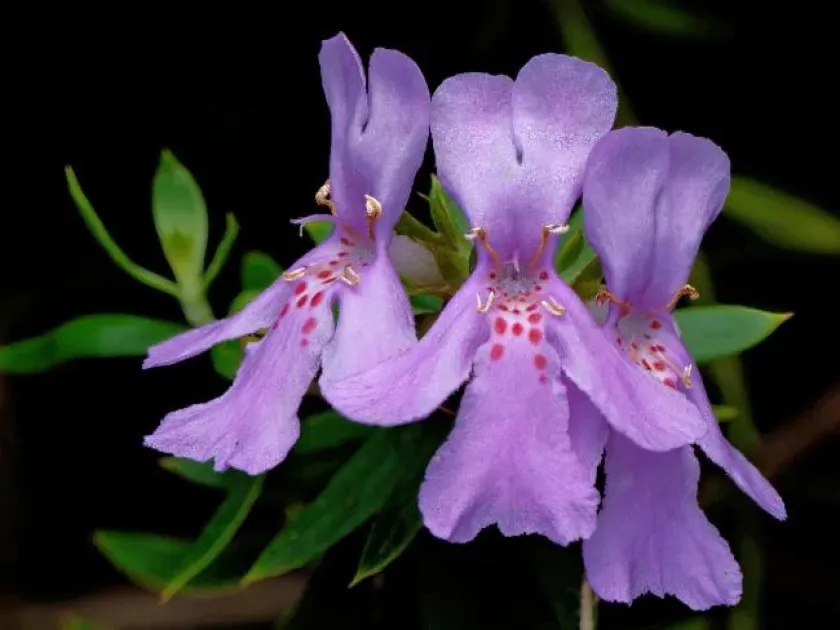
Westringia brevifolia is a distinct evergreen shrub belonging to the Lamiaceae family. Renowned for its dense, fine-textured foliage, it serves as a highly attractive horticultural specimen in regions with mild temperatures.
Native to Australia, specifically the coastal areas of Tasmania, the plant is naturally adapted to rugged, sunny environments. It is highly valued in modern horticulture for its ability to thrive in poor soils and withstand coastal wind conditions.
The cultural requirements dictate full sun exposure. While the plant can tolerate partial shade, insufficient light will result in an open, leggy growth habit, diminishing its ornamental value and overall vigor.
Optimal soil conditions include well-drained, sandy or loamy textures. It is essential to prevent waterlogging, as the root system of Westringia is susceptible to rot if kept in saturated conditions for extended periods.
Agricultural management involves light pruning to maintain shape and encourage dense branching. Regular feeding with balanced, low-phosphorus fertilizers during the growing season is sufficient to support healthy development.
Main diseases and pests
Westringia brevifolia is generally considered low-maintenance and resistant to most common pests. However, environmental stressors can weaken its natural defenses.
Scale insects and mealybugs are the most typical threats to the plant. These pests tend to congregate in the axils of the leaves, where they extract plant sap, sometimes leading to sooty mold growth.
Root rot caused by Phytophthora species is the most severe threat to the health of the crop. This condition is almost exclusively associated with poor drainage and excessive irrigation practices.
Management of these threats involves cultural practices like spacing for better airflow and careful monitoring. Chemical interventions should only be used if infestations are severe, focusing on contact insecticides.
The primary use of the plant is in landscaping and garden design, where it is utilized for hedging, border plantings, or as a structural feature. Its resilience and aesthetic appeal make it a preferred choice for dry garden landscapes.