
Westringia eremicola
Westringia eremicola
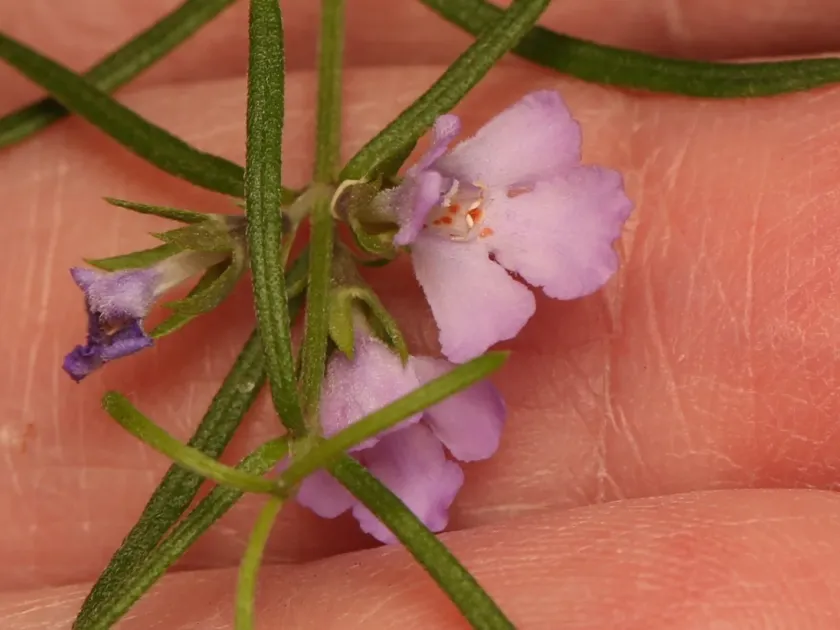
Description
Growing requirements
Westringia eremicola, commonly known as the desert rosemary, is an evergreen shrub belonging to the Lamiaceae family. It is native to eastern Australia, typically found in dry sclerophyll forests and on rocky, well-drained slopes.
This species requires exceptionally well-draining soil. It thrives in sandy or gravelly conditions and is poorly suited to heavy clay soils that retain moisture. Adding grit or coarse sand to the planting site is recommended for optimal root development and longevity.
Full sun is essential for the plant to achieve its most compact and floriferous form. While it exhibits remarkable drought tolerance once established, it benefits from moderate supplemental watering during prolonged dry spells in the initial growth phase.
The cultural requirements include regular pruning to maintain a dense habit. Without periodic trimming, the shrub may become leggy. Shaping the plant after flowering encourages new growth and preserves its aesthetic appeal in formal landscape settings.
In landscaping, this species is highly valued for its year-round evergreen foliage and delicate purple to white flowers. It is an excellent choice for xeriscaping, coastal gardens, and as a hedge plant due to its hardiness and low maintenance needs.
Main diseases and pests
The most significant threat to Westringia eremicola is root rot, typically caused by Phytophthora species. This condition arises almost exclusively when the plant is subjected to poor drainage, leading to waterlogged soil conditions.
Pests such as scale insects and mealybugs can occasionally infest the plant, particularly in sheltered or poorly ventilated environments. These pests feed on sap, which can weaken the shrub and lead to the development of unsightly sooty mold on the foliage.
Disease management focuses primarily on prevention through proper soil preparation and avoiding excessive irrigation. If signs of fungal infection appear, the application of systemic fungicides and the immediate improvement of drainage are required to save the specimen.
To control insect populations, a combination of manual removal and targeted insecticidal soap sprays is recommended. Maintaining adequate spacing between individual plants ensures better airflow, which inherently reduces the incidence of pest colonization.
Overall, the desert rosemary is a robust plant with few natural enemies if the environmental conditions match its native habitat. Regular health checks and adherence to basic agronomic practices are usually sufficient to ensure a healthy and thriving display.