
Westringia glabra
Westringia glabra R. Br.
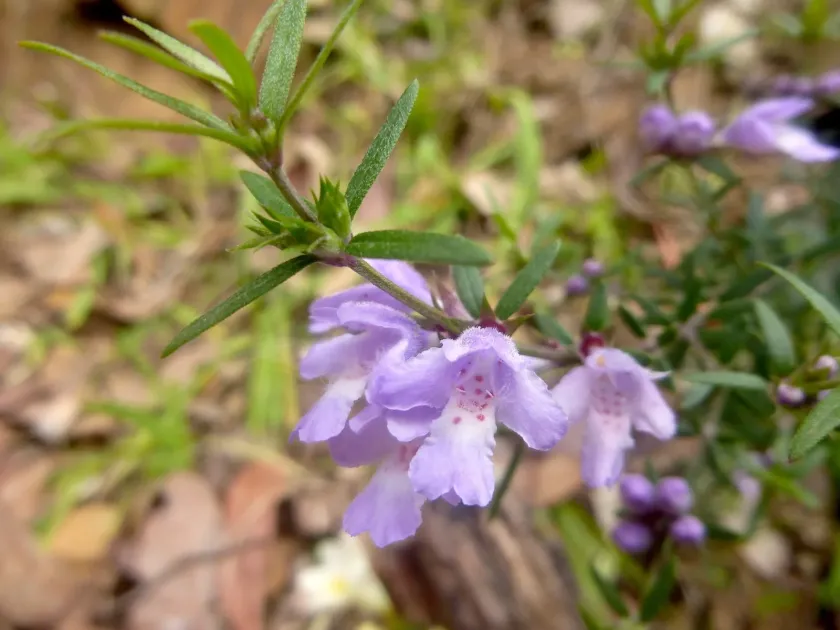
Description
Growing requirements
Westringia glabra is an evergreen shrub belonging to the Lamiaceae family, native to the eastern regions of Australia. It is widely recognized for its resemblance to rosemary and is valued for its hardy nature and attractive floral display.
The plant thrives in full sun conditions, which are essential for maintaining a dense, compact growth habit and ensuring consistent flowering. While it can adapt to light shade, exposure to direct sunlight remains the primary requirement for healthy growth.
Soil requirements focus heavily on drainage; Westringia glabra is highly susceptible to root rot in waterlogged conditions. It prefers sandy or well-drained loamy soils with a near-neutral pH balance to prevent nutritional deficiencies.
Regarding climate, this species is suited for temperate environments. It is not frost-tolerant in harsh conditions, making it an excellent candidate for container gardening in cooler climates where it can be protected during winter months.
General maintenance involves light pruning after the flowering season to encourage new growth and maintain the plant's structural integrity. It is a drought-tolerant species once established, requiring only moderate supplemental irrigation during prolonged dry spells.
Main diseases and pests
The primary threat to the health of Westringia glabra is related to soil moisture management. Excessive water retention in the substrate almost inevitably leads to fungal pathogens attacking the root system.
Common pests that may affect the plant include mealybugs and spider mites, particularly when the plant is kept in dry, indoor environments with poor air circulation.
Monitoring the foliage for signs of discolouration or webbing is crucial for early detection of pest infestations. Utilizing organic or chemical acaricides can help manage these populations effectively.
Fungal issues, such as leaf spots, are typically prevented by ensuring adequate spacing between plants and avoiding overhead irrigation that leaves foliage wet for extended periods.
Good agricultural practice for this species dictates that sanitation, including the removal of dead foliage, plays a key role in reducing the overall risk of disease transmission within the garden.