
Coastal rosemary
Westringia fruticosa (Willd.) Druce
Description
Growing requirements
Coastal rosemary (Westringia fruticosa) is a resilient evergreen shrub belonging to the Lamiaceae family. Native to the coastal regions of New South Wales, Australia, it has evolved to thrive in harsh, saline-rich environments, making it a staple in coastal landscaping.
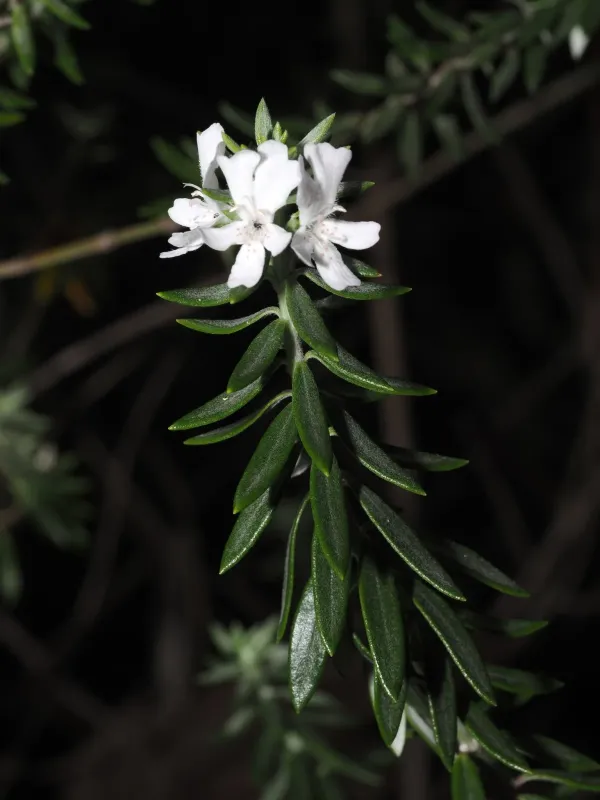
Botanically, the plant is characterized by a dense, rounded habit with grey-green leaves arranged in whorls. The underside of the foliage features a fine, silvery pubescence, which provides a striking visual contrast when the shrub is moved by the wind.
The plant thrives in full sun, which is essential for maintaining a dense, bushy appearance. While it is adaptable to various soil types, it requires excellent drainage to prevent root rot; soil amendments such as sand or grit are recommended for heavy loam.
Climatic requirements are specific to Mediterranean or mild temperate zones. It is moderately frost-tolerant but performs best in climates where extreme temperature fluctuations are minimized. It serves as an excellent windbreak in exposed coastal gardens.
The horticultural utility of the plant is vast, ranging from hedge formation to container gardening. Because it responds exceptionally well to shearing, it is widely utilized for topiary and formal landscaping projects that require a permanent structure.
Main diseases and pests
The most significant threat to the plant is Phytophthora root rot, usually induced by poor drainage or overwatering. Once established, this pathogen is difficult to treat, making prevention through soil management the primary defense strategy.
Pests such as mealybugs and spider mites are frequent invaders, particularly in sheltered or poorly ventilated areas. Regular inspection of the stem tips and leaf undersides is crucial to catch infestations before they cause significant damage.
Fungal leaf spot diseases can occur during prolonged periods of high humidity. Proper spacing between individual plants is necessary to promote air circulation, which is the most effective cultural method to reduce the risk of pathogen spread.
Integrated Pest Management (IPM) protocols should be followed to protect beneficial insects. If chemical intervention is necessary, targeted insecticides should be used in the evening to minimize exposure to non-target species.
Monitoring for signs of nutrient deficiency, specifically chlorosis, is important, as it can mimic pest damage. Balanced fertilization during the active growing season strengthens the plant's natural defenses against both pests and environmental stressors.