

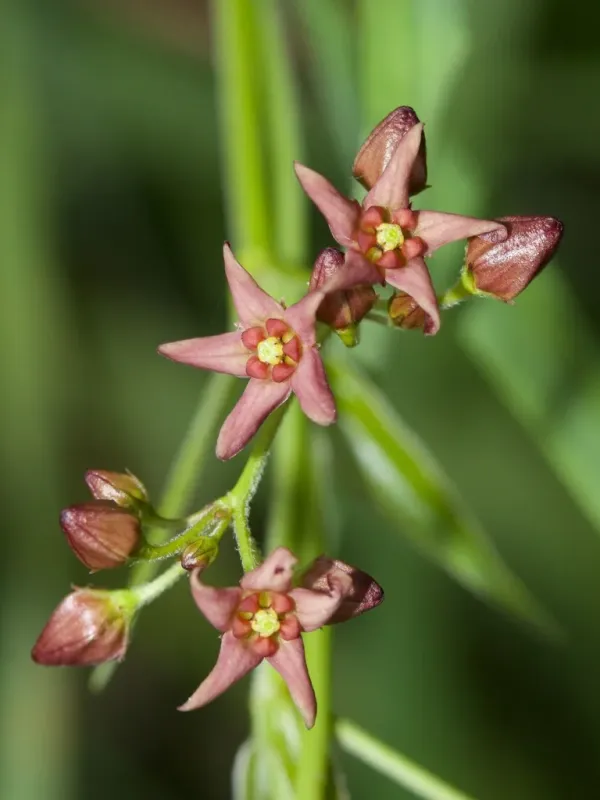
Description
Growing requirements
Swallow-wort (genus Vincetoxicum) is a perennial herbaceous plant belonging to the Apocynaceae family. It is known for its distinct botanical structure and its significant role in traditional and modern medicinal applications.
The crop thrives in well-drained, nutrient-rich soils with a preference for slightly alkaline pH levels. It is highly sensitive to waterlogged conditions, which can lead to rapid root degradation, making site selection crucial for commercial success.
This plant requires full sun exposure to reach its maximum productivity potential. While it can survive in partial shade, such conditions significantly reduce the biomass yield and the concentration of active chemical compounds in the plant tissues.
Regarding climate, Vincetoxicum is well-adapted to temperate regions, demonstrating high winter hardiness. It can withstand severe winter temperatures provided there is sufficient soil protection and adequate moisture levels during the early spring growing season.
The agronomic management of swallow-wort involves systematic weeding, especially in the establishment phase, as the plant is sensitive to competition. Fertilization strategies should focus on potassium and phosphorus inputs to support long-term root health.
Main diseases and pests
Aphids are the primary insect threat to Vincetoxicum plantations, often causing stunted growth and transmitting viral pathogens. Integrated Pest Management (IPM) practices are essential to keep populations below economic injury levels.
Fungal infections, such as powdery mildew, frequently affect the foliage in regions with high humidity. Proper field layout, allowing for adequate air circulation between rows, is a primary preventative measure against these infections.
Root rot, driven by persistent moisture, poses a major risk to the plant's survival. Managing the water table and ensuring optimal drainage are critical for maintaining the longevity of the perennial roots throughout the harvest cycle.
Specific leaf-eating beetles can occasionally cause damage to the foliage, necessitating vigilant field scouting. If thresholds are exceeded, targeted biological controls are preferred to maintain the quality standards of the final product.
Preventative sanitation, including the removal of crop debris after the harvest season, is highly recommended to prevent the overwintering of pathogens and pests within the field area.
Content graph
Connections · Swallow-wort
Most often together:
Marketplace