
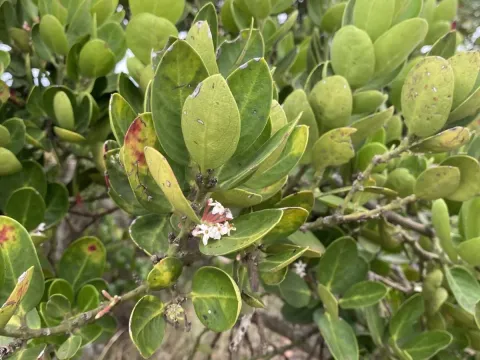
Acokanthera
Acokanthera
Acokanthera is a genus of evergreen shrubs and small trees that belongs to the Apocynaceae family. Native to tropical Africa and parts of the Arabian Peninsula, these plants are well-adapted to diverse habitats ranging from dense bushveld to rocky mountainous terrain, reflecting their inherent hardiness.
What the section contains


Acokanthera
The botanical profile of Acokanthera features thick, glossy, opposite leaves and clusters of fragrant, tubular flowers. Its fruit is a fleshy drupe that turns dark purple or black upon maturity. It is crucial to note that all parts of the plant, especially the sap and seeds, contain potent cardiac glycosides, making the plant highly toxic if ingested.
Successful cultivation of Acokanthera requires a frost-free environment, as the plant is extremely sensitive to cold. In temperate zones, it is typically kept as a greenhouse or conservatory plant where it can receive abundant sunlight and warm temperatures throughout the year to support its active growth phases.
Soil requirements involve well-drained, nutrient-rich substrate. While it is somewhat tolerant of dry spells once established, consistent moisture during the growing season is preferred. Proper drainage is essential, as waterlogging will quickly lead to root decay and the eventual death of the plant.
In terms of usage, Acokanthera is valued for its striking appearance and fragrant blooms in ornamental gardening within frost-free climates. Historically, the plant's toxic properties were utilized by indigenous peoples for creating arrow poisons, a fact that highlights the necessity for careful handling and placement away from children or pets.
Common pests affecting Acokanthera under greenhouse conditions include spider mites and scale insects. These pests thrive in dry environments and can cause significant foliage damage if left unchecked, necessitating regular leaf inspections and appropriate pest management strategies.
Fungal diseases primarily result from overwatering and poor air circulation. Root rot is the most common issue, appearing when the soil remains consistently soggy. Maintaining an appropriate watering schedule and ensuring that the plant is kept in a well-ventilated area is vital for long-term health.