
Common vetch
Vicia sativa L.
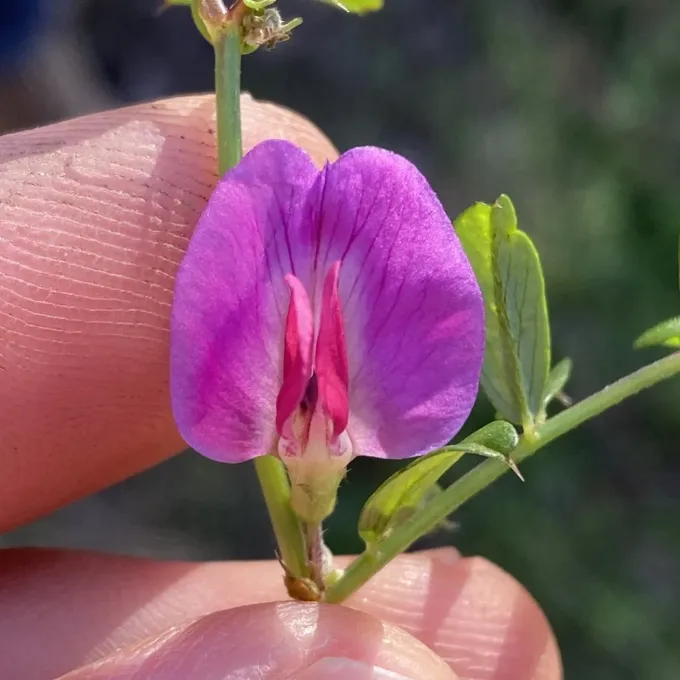
Description
Sowing dates
Common vetch is a cool-season legume that prefers early spring planting. Sowing should commence as soon as the soil is dry enough to work, allowing the crop to establish during the moist period of early spring.
In regions with milder winters, it can also be planted as a winter crop. The seeds are capable of germinating at low temperatures, making it a highly adaptable plant for various climatic zones.
The sowing rate typically ranges from 150 to 200 kg per hectare. For commercial production, it is highly recommended to use a nurse crop, such as oats or barley, which provides structural support to the vetch.
The seeds should be sown at a depth of 3–6 cm depending on the soil structure. Proper seeding depth is critical to ensure even germination and to protect the seeds from birds and desiccation.
Timing the sowing correctly is essential for maximizing yield. If sown too late in the spring, the vetch may be exposed to high summer heat, which limits its growth and biological nitrogen fixation capability.
Growing requirements
Vicia sativa is a versatile legume that thrives in a wide range of soil conditions, though it performs best in well-drained, fertile loams with a neutral to slightly acidic pH.
The crop requires consistent moisture, particularly during the seedling stage and the flowering period. It is not well-suited for heavily waterlogged soils or regions prone to extreme summer drought.
Good soil preparation is necessary to manage weeds, as common vetch is initially slow to grow and can be outcompeted by aggressive weeds in the early stages of vegetation.
It prefers a moderate climate. The inclusion of nitrogen-fixing bacteria (Rhizobium) via seed inoculation can significantly enhance the crop's performance and protein content in the forage.
Regular monitoring of soil fertility is recommended, especially for phosphorus and potassium levels, which are vital for strong stem development and seed pod formation.
Yield
The green biomass yield of common vetch typically reaches 20–30 tonnes per hectare under optimal farming conditions. This makes it an excellent choice for hay, silage, or green manure.
For seed production, yields range from 1.5 to 2.5 tonnes per hectare. The harvest timing is critical to minimize pod shattering, which is a natural dispersal mechanism of this species.
Increased productivity can be achieved by balanced fertilization. Phosphorus and potassium are key nutrients that support the metabolic processes in the plant and improve the overall biomass quality.
Mixed cropping systems, where vetch is interplanted with cereals, demonstrate superior stability in yield compared to monoculture plots. This combination allows for a more nutrient-dense forage product.
As a green manure crop, common vetch provides substantial nitrogen to the soil. Its ability to incorporate atmospheric nitrogen makes it a sustainable tool for reducing dependency on synthetic fertilizers.
Main diseases and pests
Common vetch is susceptible to several fungal diseases, including Ascochyta blight and rust. These pathogens can significantly reduce the nutritional quality of the forage if left unmanaged.
Pests such as pea aphids and various types of weevils can cause extensive damage. Early detection is crucial, and integrated pest management (IPM) strategies are recommended for control.
Maintaining a diverse crop rotation is the most effective preventative measure. Avoiding vetch on the same field for at least 3–4 years prevents the buildup of soil-borne pathogens and pests.
Using certified, fungicide-treated seeds can help prevent early-stage infections. In instances of high infestation, localized application of selective insecticides or fungicides may be required.
Healthy crop management, including adequate plant spacing and weed control, prevents the buildup of excessive humidity within the canopy, which in turn reduces the risk of fungal spread.
Harvesting
The harvest schedule is determined by the intended use of the crop. For high-quality forage, vetch should be harvested during the flowering stage, before pod development accelerates.
Hay production is most efficient when the plant reaches the pod-forming stage. This timing captures the highest levels of protein and digestible fibers while minimizing the loss of leaves during drying.
When harvesting for seeds, farmers wait until the lower pods turn brown and the seeds become hard. A two-stage harvest method is commonly used, involving windrowing followed by threshing.
This windrowing process allows the plant material to dry evenly and reduces the risk of shattering seeds in the field, ensuring a higher harvest efficiency for the producer.
For green manure, the crop should be incorporated into the soil during full bloom. This provides the soil with the highest volume of nitrogen-rich organic matter at the peak of its biological activity.