
Viguiera stenoloba
Viguiera stenoloba
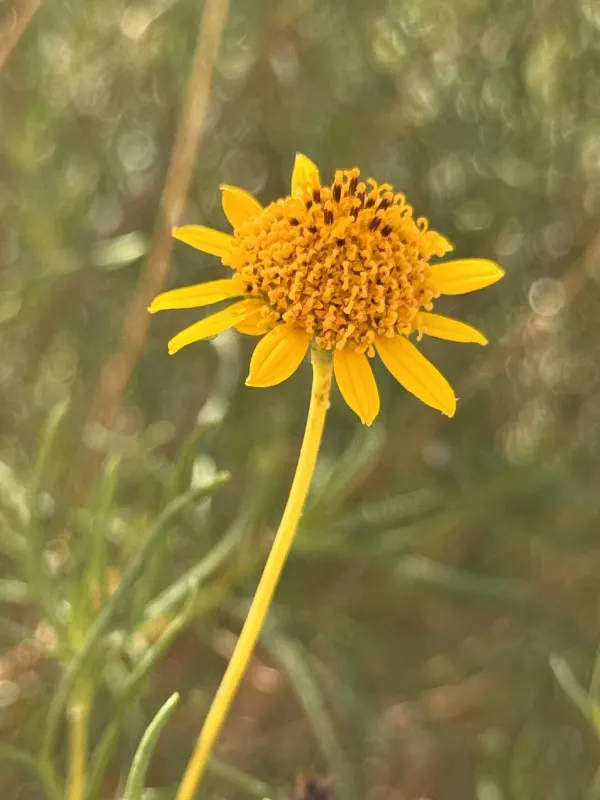
Description
Sowing dates
Sowing of Viguiera stenoloba is best performed in the spring season once soil temperatures have reached an optimal range for germination. Ensuring the danger of frost has passed is critical for establishing a successful and vigorous stand of the crop.
The seeds should be sown using precision equipment capable of handling small-seeded varieties. A planting depth of approximately 1 to 2 centimeters is recommended to ensure that the seedling can emerge without depleting its energy reserves prematurely.
Planting density should be carefully calculated based on seed germination rates to avoid overcrowding. Proper spacing between rows allows for adequate airflow and minimizes the risk of competition for soil nutrients and light among the growing plants.
Post-sowing soil compaction, such as light rolling, can improve soil-to-seed contact. This practice is particularly beneficial in dry climates as it facilitates the capillary movement of moisture from the deeper soil layers toward the germinating seed.
Field preparation involves deep tilling and clearing of weeds to provide a clean seedbed. Starting with a weed-free environment significantly boosts the early growth rate of the crop, providing a competitive advantage during the establishment phase.
Growing requirements
Viguiera stenoloba is highly recognized for its drought-tolerant nature, making it an ideal candidate for cultivation in arid and semi-arid landscapes. It is well-adapted to high heat and can thrive where conventional forage crops may struggle to survive.
The plant demonstrates high flexibility regarding soil quality, although it excels in well-drained, limestone-based, or sandy soils. It is crucial to avoid heavy, waterlogged soils, as poor drainage often leads to root health issues.
This species is a sun-loving plant that requires full exposure to sunlight throughout the day to achieve its maximum biomass potential. Shaded areas should be avoided, as restricted light conditions lead to spindly growth and lower nutritional value.
Its deep taproot system allows it to reach soil moisture far beyond the reach of shallower-rooted grasses. This biological adaptation ensures that the crop remains green and nutritious even during prolonged periods of summer drought.
While the plant is hardy, modest fertilization can enhance productivity in nutrient-poor soils. Care should be taken to balance nutrient levels, focusing on preventing excessive nitrogen application, which could reduce the plant’s natural drought resistance.
Yield
The overall yield of Viguiera stenoloba is heavily dependent on management practices and the availability of soil moisture during the peak vegetative period. With proper care, the plant produces a significant amount of palatable green biomass.
It is widely utilized as a grazing forage for livestock, including cattle and small ruminants. Its ability to provide fodder during the lean seasons makes it a strategic asset in integrated farm management systems.
When managed under intensive grazing systems, rotational grazing is highly recommended. This ensures that the plants are not overgrazed, allowing the crown to recover between cycles and maintaining long-term stand density.
Nutritional value is at its peak during the pre-flowering stage, making it the ideal time for harvesting if the material is meant to be stored as hay. During this period, the protein and sugar content in the leaves is at its highest concentration.
While the crop is known for stability in harsh conditions, supplemental irrigation in critical growth phases can lead to a substantial increase in dry matter production. Farmers can adjust their intensity of cultivation based on market needs and available resources.
Main diseases and pests
Root rot, primarily caused by fungal pathogens such as Fusarium, remains the most significant threat to the crop, especially in conditions with poor drainage. Proper site selection and water management are the primary defenses against these infections.
Grasshoppers and other orthopteran insects represent a recurring threat to the foliage. Monitoring populations during peak summer months is essential to prevent significant defoliation that could hamper the plant's ability to store energy for the next season.
Powdery mildew may occur during periods of high humidity or poor ventilation within the canopy. Improving airflow and maintaining proper stand density are effective preventive measures against the spread of such fungal diseases.
Young seedlings are particularly susceptible to biotic stressors and should be protected from excessive rodent activity or early season pest outbreaks. Early intervention helps maintain the target stand count and ensures the longevity of the crop.
Integrated Pest Management (IPM) strategies, including crop rotation and the use of healthy, disease-free seed stocks, are vital. A healthy, stress-free crop is naturally more resilient to environmental and biotic challenges.
Harvesting
The harvest strategy for Viguiera stenoloba depends on whether the crop is destined for direct grazing, hay production, or seed collection. For hay, mowing should occur early in the flowering cycle to maximize nutrient content.
Mechanical harvesting equipment should be calibrated to maintain a specific cutting height. Leaving enough stubble is essential to ensure the plant's ability to regenerate effectively after being harvested.
Seed harvest requires careful timing to ensure maturity before natural dispersal occurs. Harvesting during the early morning or late afternoon when humidity is higher can reduce the risk of seed shattering during the cutting process.
Drying the harvested material requires well-ventilated areas to prevent molding. Proper moisture content management after harvest is crucial for the safe, long-term storage of forage materials.
Post-harvest field management should include removing crop residues if they are not to be incorporated back into the soil as organic matter. Maintaining a clean field after the last harvest of the season helps in reducing the overwintering potential of pests.