
Viguiera dentata
Viguiera dentata
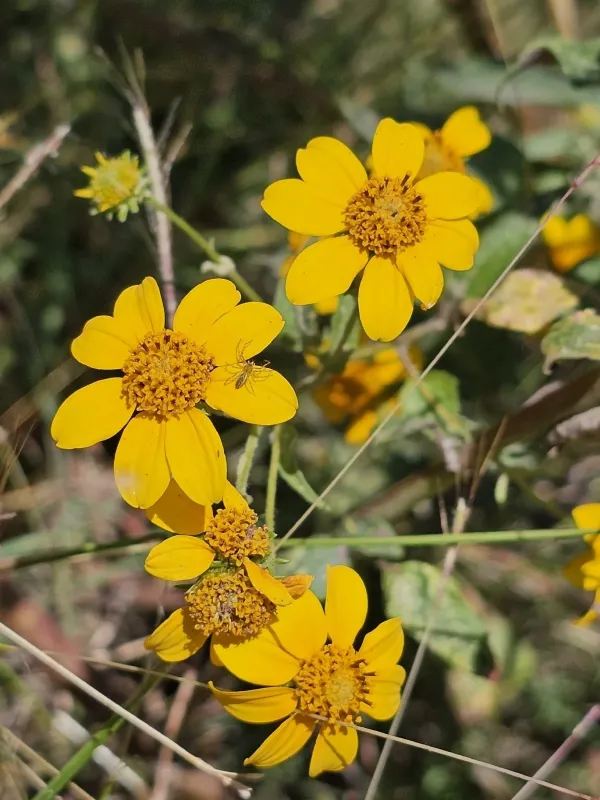
Description
Sowing dates
Viguiera dentata, commonly known as Pahute weed or dental-leaf goldeneye, is a resilient member of the Asteraceae family. Sowing is best performed in the spring once soil temperatures reach a consistent 18–22 degrees Celsius.
For areas with shorter growing seasons, starting seeds indoors 4–6 weeks before the last frost is recommended. This practice ensures that seedlings are well-developed and ready to thrive once transplanted into their permanent outdoor location.
Seeds should be sown shallowly, at a depth of 1–2 centimeters, ensuring they maintain contact with the soil. Consistent moisture is vital during the germination phase, which typically takes 10 to 14 days under optimal conditions.
Spacing is a critical factor for healthy crop development. Plants should be placed 40–50 centimeters apart to prevent overcrowding and to ensure proper airflow, which significantly reduces the risk of fungal outbreaks.
In direct-seeding scenarios, preparing a seedbed with loose, aerated soil enhances success rates. Avoiding waterlogged conditions during the germination period is essential for maintaining high plant stand density.
Growing requirements
Native to North and Central America, Viguiera dentata is evolutionarily adapted to semi-arid climates. It thrives in high-light environments and exhibits impressive drought tolerance once established.
Soil requirements are relatively flexible; the plant prefers well-drained, sandy, or rocky soils. It is highly intolerant of heavy, saturated clays, where its roots are prone to rapid decay from waterlogging.
The plant demonstrates excellent heat tolerance, making it an ideal candidate for cultivation in arid zones where water-intensive crops fail. Minimal supplemental irrigation is usually sufficient for optimal performance.
Full sun is necessary for the plant to achieve its potential bloom intensity and structural integrity. Exposure to shade leads to leggy growth and reduced flowering, making site selection a priority for agricultural success.
While the plant can survive in nutrient-poor substrates, supplemental application of phosphorus and potassium can enhance flower production and overall biomass in controlled cultivation settings.
Main diseases and pests
Despite its robustness, Viguiera dentata is susceptible to powdery mildew under conditions of high humidity and poor circulation. Maintaining dry, airy conditions is the primary preventive strategy against this pathogen.
Pests like aphids may occasionally colonize the soft, new growth during dry spells. Integrated pest management, such as using beneficial insect habitats, is usually sufficient to manage populations without chemical intervention.
Root rot, driven by stagnant water, represents the most significant threat. Implementing advanced drainage solutions, such as raised beds or soil amendment with grit, is essential in wetter cultivation regions.
Caterpillars may sporadically feed on the foliage, but rarely reach population levels that require chemical spraying. Manual removal or biological control agents are effective alternatives for smaller patches.
- Use crop rotation to disrupt the lifecycle of potential soil-borne pathogens.
- Implement drip irrigation to keep the foliage dry.
- Monitor for early signs of mildew during seasons with erratic rainfall.
Harvesting
The harvest of Viguiera dentata primarily involves collecting seeds for future planting or utilizing the blooms in decorative applications. Harvesting should occur once the seed heads dry and darken on the plant.
To preserve seed viability, dried seed heads should be harvested in the early morning and stored in a cool, dry environment. Proper drying prevents the onset of mold during the storage period.
In a horticultural context, harvesting the biomass at the end of the season involves cutting the plants back to the base. This practice prepares the site for the next cycle and improves the aesthetic appearance of the field.
As a nectar-rich species, Viguiera dentata is highly valued for supporting pollinator populations. Keeping some areas unharvested can provide essential late-season resources for local bee species.
Future exploration into its usage for phytoremediation or as a biofuel feedstock is an ongoing area of interest, as its high biomass production in marginal soils is an agronomical asset.