
Viguiera anchusaefolia
Viguiera anchusaefolia
Description
Growing requirements
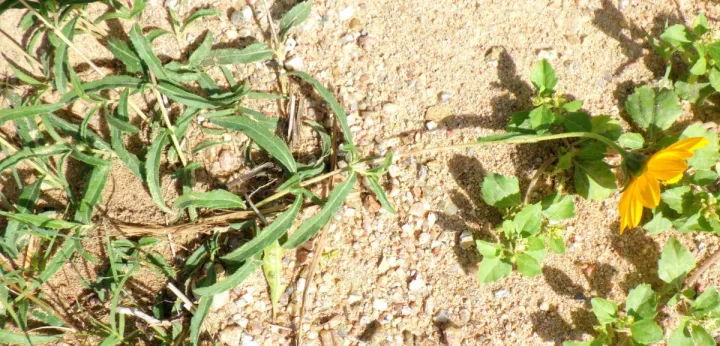
Viguiera anchusaefolia is a perennial herbaceous plant belonging to the Asteraceae family. It is recognized for its adaptive capabilities and potential as a forage crop within various sustainable agricultural systems.
Originating from the subtropical regions of South America, this species has evolved to thrive in diverse environmental conditions. It is notably resilient to high solar radiation and periodic moisture stress, which are typical for its native habitat in Argentina and Brazil.
The crop requires well-drained soil environments to prevent root rot. Ideally, it grows best in sandy loam soils with moderate fertility levels. Proper drainage is the most critical factor for maintaining a healthy and productive stand of this perennial plant.
Agronomic management involves optimizing planting density to maximize biomass production. As a sun-loving plant, it performs best in open fields, where competition for light is minimal and vegetative development is not inhibited by shading.
Its role in agroecosystems is significant, particularly in soil conservation and ecosystem restoration. The plant’s root architecture contributes to soil stability, making it a valuable candidate for re-vegetation projects in semi-arid areas.
Main diseases and pests
Common threats to Viguiera anchusaefolia include fungal infections, particularly those that thrive in stagnant humidity conditions. Leaf spots and root pathogens are among the most prevalent issues that require agricultural intervention.
Pests such as aphids and various species of beetles pose a threat to the plant's vegetative parts. If left unmanaged, these infestations can lead to significant yield reductions, especially during the peak summer growth months.
Integrated Pest Management (IPM) strategies are highly recommended. This includes the use of natural predators and the implementation of crop rotation cycles to break the life cycles of common pests and disease agents.
Field sanitation is critical for managing potential disease outbreaks. Removing plant debris from previous seasons can significantly reduce the amount of inoculum present in the field, thereby protecting new growth.
Frequent monitoring for signs of stress or pest pressure is essential. Early detection allows for more precise and less intrusive management practices, ensuring the longevity and productivity of the crop throughout its perennial lifespan.