
Common vetch
Vicia sativa L. ssp. sativa
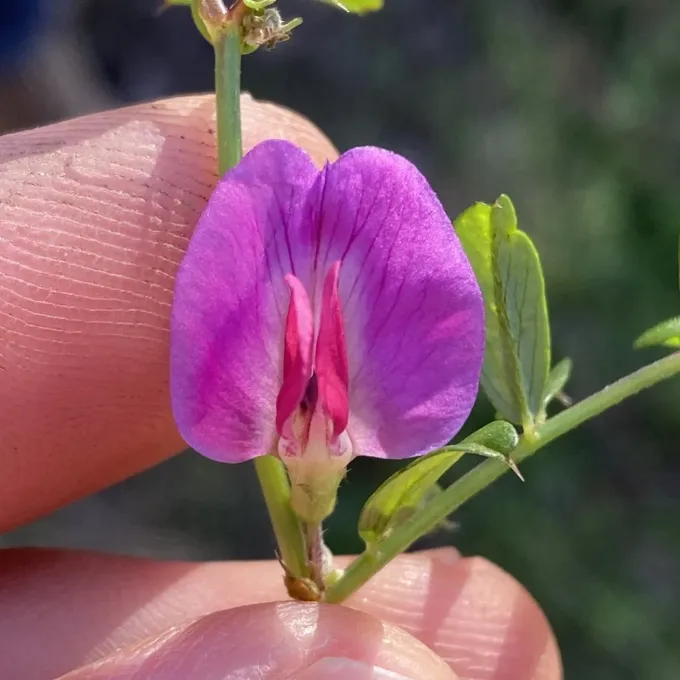
Description
Sowing dates
Common vetch (Vicia sativa) is a versatile annual legume primarily cultivated for its high-quality forage and as an effective cover crop. It thrives when sown in early spring as soon as the soil reaches temperatures around 4–6 degrees Celsius, allowing the crop to establish itself during the period of optimal moisture.
The seeds are typically drilled at a depth of 3–5 cm in rows spaced 15 cm apart. Establishing the correct plant density is crucial, as thin stands can allow weeds to dominate, while overly dense populations may suffer from poor air circulation and increased risk of fungal infections in the lower canopy.
Inoculating seeds with specific Rhizobium bacteria (nitragin) prior to planting is highly recommended. This practice ensures efficient nitrogen fixation, which reduces the need for synthetic nitrogen fertilizers and significantly improves the overall growth and nutritional value of the vetch crop.
Often, common vetch is planted in mixtures with cereals like oats or barley. This practice is agronomically sound because the cereal stalks provide physical support for the vetch, preventing lodging and facilitating easier mechanical harvesting while creating a balanced forage mixture.
Success in vetch cultivation depends heavily on field preparation. It performs best in fields that were previously used for root crops or cereals. Early weed control through harrowing is vital to ensure that the young vetch seedlings are not outcompeted during their initial, slow-growing stage.
Growing requirements
Common vetch is well-adapted to temperate climates, displaying notable cold tolerance. It can withstand light frosts during the seedling stage, making it suitable for regions with shorter growing seasons or cool springs where other legume varieties might struggle to establish.
The crop prefers fertile, well-drained soils with a neutral or slightly acidic pH. Poorly drained, waterlogged, or heavily acidic soils are detrimental, as they inhibit the development of root nodules and restrict the plant's ability to fix atmospheric nitrogen, leading to stunted growth.
While vetch is reasonably drought-tolerant once established, it requires consistent moisture during the flowering and pod-filling stages to maximize biomass production. Severe moisture stress during these critical phases can lead to premature senescence and reduced feed quality.
Adequate levels of phosphorus and potassium are essential for the healthy development of vetch. These nutrients are vital for root structure and the formation of high-quality seeds. Soil testing before planting helps to determine the necessary amendments to ensure a balanced nutrient profile.
As a long-day plant, common vetch requires sufficient sunlight for vigorous development. Providing the right exposure helps the plants build a robust leaf canopy, which is essential for maximizing protein content in the forage and ensuring the overall success of the agricultural cycle.
Yield
The yield potential of common vetch is highly dependent on environmental conditions and management intensity. Under favorable circumstances, farmers can expect a yield of 20–35 tons of green biomass per hectare, making it a highly productive option for livestock feed programs.
Seed yields are typically between 1.5 and 2.5 tons per hectare. Achieving these levels requires careful attention to pest control, especially during the flowering stage, to protect the developing pods from damage and ensure the longevity of the seeds produced for future planting seasons.
Several factors limit yields, including competitive weed pressure and suboptimal climatic conditions during the flowering phase. Regular monitoring and the application of timely agronomic interventions, such as supplemental irrigation or pest control, help preserve the yield potential.
Vetch is also highly valued for its ability to improve soil health when used as green manure. When incorporated into the soil during full bloom, the biomass provides a significant boost in organic matter and nitrogen, which improves the productivity of subsequent crops in the rotation.
The timing of the harvest is the primary determinant of quality. Early harvest generally results in higher protein content, while delaying the harvest increases the total dry matter yield but leads to a higher fiber content, which may reduce the overall digestibility of the forage.
Main diseases and pests
Common vetch is susceptible to several fungal diseases, including Ascochyta blight and powdery mildew. These pathogens can cause significant defoliation, manifesting as leaf spots and stem lesions that degrade the overall quality and volume of the harvest if not managed properly.
Root rots pose a particular threat in compacted or poorly drained soils, often resulting in seedling blight. Crop rotation is the most effective preventative strategy, ensuring that vetch is not grown in the same field for at least four to five years to break the disease cycle.
Insect pests like the clover seed weevil and various aphids can cause substantial damage. Weevils specifically target the roots and seed pods, directly impacting the plant's vigor and future seed viability. Integrated Pest Management (IPM) is essential to minimize the use of chemical sprays.
The vetch bruchid (seed beetle) is a major pest that directly infests the pods, destroying the seeds. Protecting the crop from this pest during the flowering and pod formation stages is critical for maintaining high-quality seed stocks for the next year's planting.
Control efforts should focus on cultural practices, such as maintaining proper spatial isolation from previous years' plots and encouraging beneficial insect populations. When chemical intervention is necessary, products must be applied precisely to avoid harming pollinators.
Harvesting
Harvesting for forage should occur during the flowering stage to capture the peak nutritional profile of the plant. If the harvest is delayed until the pods are mature, the stems become woody and less palatable, and the foliage loses much of its protein-rich nutritional value.
For hay production, mowing should be followed by efficient drying. Minimizing the time between cutting and baling is key to preserving the leaves, which contain the highest concentration of vitamins and proteins, and preventing the loss of quality due to rain or excessive sun exposure.
Seed harvesting is usually performed using a two-stage process: cutting into windrows first, followed by threshing. This method helps manage the tendency of vetch pods to shatter when overly dry, thereby reducing pre-harvest seed loss caused by wind or mechanical vibration.
The setting of the threshing machine is critical during the seed harvest. Lower drum speeds are recommended to prevent physical damage to the seeds, as high impact levels can crack the seed coat, severely reducing its germination percentage and subsequent seedling vigor.
Post-harvest handling includes cleaning and drying the seeds to a moisture content below 15%. Proper storage in clean, cool, and well-ventilated conditions is required to maintain seed quality over the storage period and ensure high performance for the following planting cycle.