
Vernonia flexuosa
Vernonia flexuosa Sims
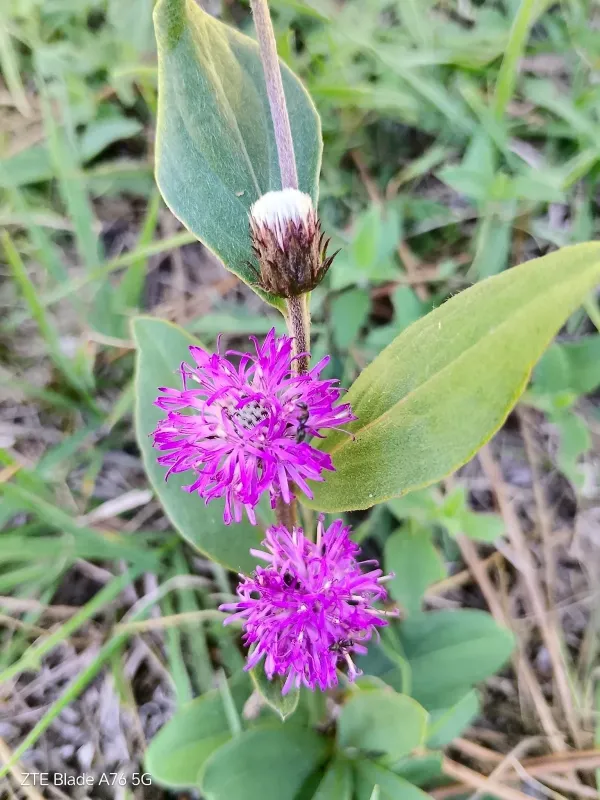
Description
Growing requirements
Vernonia flexuosa is a perennial herbaceous plant belonging to the Asteraceae family. Originating from the South American region, it has gained attention for its unique structural features and high aesthetic value, as well as its adaptability to specific temperate environmental conditions.
The plant is distinguished by its distinctively flexuous (bent) stems and lanceolate foliage. Its characteristic inflorescences consist of dense, purple-to-violet composite flowers that attract various pollinators, contributing to local biodiversity within the cultivated landscape.
Successful cultivation requires sites with abundant solar exposure, although the plant can tolerate partial shade in regions with intense afternoon heat. Wind protection is essential, as the height of the stems makes them susceptible to lodging and physical breakage during stormy conditions.
Soil requirements focus on fertility and drainage. Vernonia flexuosa thrives in loamy or sandy loam soils with a slightly acidic to neutral pH. Proper soil preparation, including deep tilling and the incorporation of organic matter, is recommended to ensure consistent nutrient availability throughout the growth cycle.
Agrotechnical practices emphasize moisture control. While the crop requires regular irrigation during its peak growing season, avoiding saturated soil conditions is vital to prevent root zone stress. Mulching the area around the base of the plant can help regulate soil temperature and retain essential moisture during dry spells.
Main diseases and pests
Aphids are among the most common pests affecting Vernonia flexuosa. These insects congregate on the soft tissues of new shoots and flower buds, extracting sap and weakening the plant structure. Regular scouting and immediate intervention are necessary to prevent severe infestations.
Powdery mildew represents a significant fungal threat, especially in humid climates or areas with poor air circulation. The characteristic white fungal growth can spread quickly across leaves, leading to chlorosis and potential premature leaf drop if not managed with appropriate fungicides or cultural practices.
Root and crown rots often occur due to poor drainage or over-irrigation. These pathogens attack the base of the plant, often leading to rapid wilting and plant mortality. Providing adequate space between individuals is a crucial cultural practice to promote air movement and reduce fungal risk.
Spider mites can become problematic during hot, dry periods of the summer. They typically feed on the undersides of leaves, causing a stippled or mottled appearance. Keeping the plants well-hydrated is a primary non-chemical method to deter mite populations from establishing a foothold.
Effective disease management relies on integrated pest management (IPM) strategies, which prioritize prevention, sanitation, and the use of targeted treatments only when necessary. Regular field inspections and the prompt removal of infected debris are essential components of maintaining a healthy crop.