
Vernonia amygdalina
Vernonia amygdalina Delile
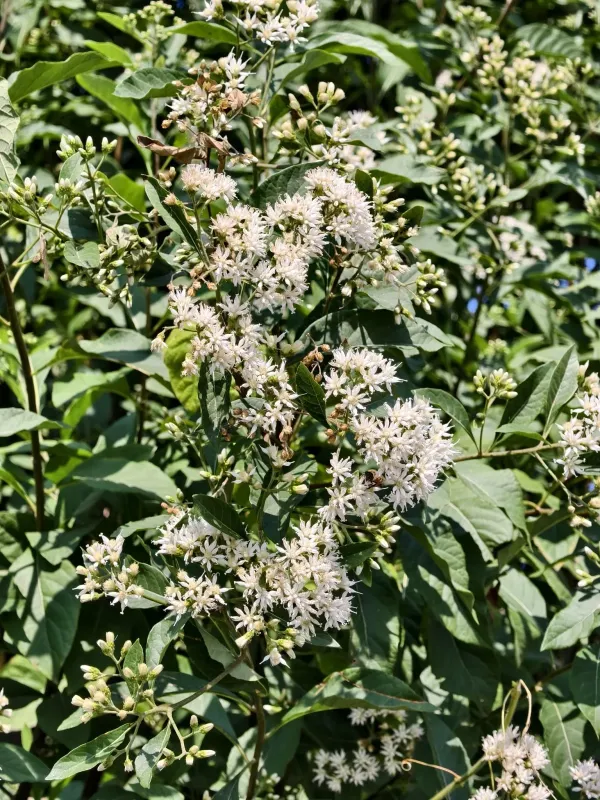
Description
Sowing dates
Vernonia amygdalina, commonly known as bitter leaf, is primarily propagated through stem cuttings, though seed propagation is also viable. Cuttings are generally preferred as they ensure faster establishment and uniformity across the plantation.
Planting typically occurs at the beginning of the rainy season to capitalize on soil moisture for root development. Semi-hardwood cuttings of about 20–30 cm in length are ideal for achieving high survival rates.
If seeds are used, they should be sown in nursery beds with well-drained, loose soil. The seeds are small and should be sown at a shallow depth to ensure they receive enough light for successful germination.
Once seedlings develop 3–4 true leaves, they are ready for transplanting into the field. A spacing of 0.5 to 1 meter between plants is recommended to allow for proper growth and air circulation.
Consistent irrigation is vital during the first few weeks after planting until the root system is well-established, after which the plant becomes quite hardy and drought-tolerant.
Growing requirements
This tropical plant, a member of the Asteraceae family, thrives in warm climates and requires ample sunlight. While it prefers full sun, it can tolerate partial shade, which is often beneficial in extremely hot regions.
Vernonia amygdalina prefers fertile, loamy, or sandy-loam soils with excellent drainage. The ideal pH range is slightly acidic to neutral, which supports optimal nutrient uptake for leaf production.
Although it is drought-resistant, regular watering during dry spells is necessary to maintain high leaf quality and yield. Poor drainage must be avoided to prevent root rot, especially in high-rainfall areas.
Incorporating organic matter such as compost or well-rotted manure before planting is highly recommended. The plant responds well to nitrogen-based fertilizers, which promote vigorous foliage growth.
Originating from tropical Africa, this crop is sensitive to cold temperatures. Prolonged exposure to temperatures below 10°C (50°F) can severely stunt growth, making it unsuitable for regions with frost.
Yield
The yield of bitter leaf depends on plantation density and management practices. Regular pruning of the main stems encourages lateral branching, which significantly increases the volume of harvestable leaves.
Harvesting can begin 3 to 4 months after planting, depending on plant maturity. The frequency of harvesting varies, but periodic leaf picking allows the plant to continue producing new shoots.
With intensive management and systematic pruning, yields can reach 5 to 10 tons of fresh leaves per hectare annually. This high productivity makes it a valuable cash crop for small-scale farmers.
Productivity is typically highest during the first three years of the plant's life cycle. After this period, bushes may need to be rejuvenated through heavy pruning or replaced to maintain optimal yields.
Leaf age is a crucial quality factor; younger leaves are generally preferred for culinary purposes as they are less bitter and more tender than older, tougher foliage.
Main diseases and pests
Vernonia amygdalina is generally a hardy crop, but it can be susceptible to various fungal diseases such as leaf spot and powdery mildew, especially under high humidity conditions.
Common insect pests include aphids and spider mites, which feed on the sap of young leaves. Severe infestations can lead to stunted growth and damage to the overall quality of the harvest.
Root-knot nematodes can pose a threat, particularly in soils where the plant has been grown repeatedly. Crop rotation and the use of clean planting materials are essential for managing these risks.
Disease management focuses on thinning the plants to improve airflow and timely removal of infected parts. Chemical pesticides are restricted due to the plant's widespread use as a food source.
Biological pest control methods, such as neem-based sprays, are effective for managing infestations while maintaining the organic integrity of the crop for local markets.
Harvesting
Harvesting Vernonia amygdalina is an ongoing process due to its perennial nature in tropical environments. Leaves can be picked as needed throughout the year based on market demand.
Manual harvesting is the standard method, involving either picking individual leaves or cutting off entire young stems. Proper cutting technique is essential to prevent water accumulation on wounds.
Freshly harvested leaves are perishable and should be kept in a cool, shaded area or processed immediately. Early morning harvesting is ideal to maximize leaf turgidity and quality.
Drying the leaves in the shade is a common post-harvest practice. This preserves the plant's characteristic bitterness and bioactive compounds for use in traditional medicine or dried food preparations.
For transport to markets, the leaves should be packed in breathable containers to allow for air circulation, preventing heating and spoilage during transit in warm weather conditions.