
Vernonia colorata
Vernonia colorata (Willd.) Drake
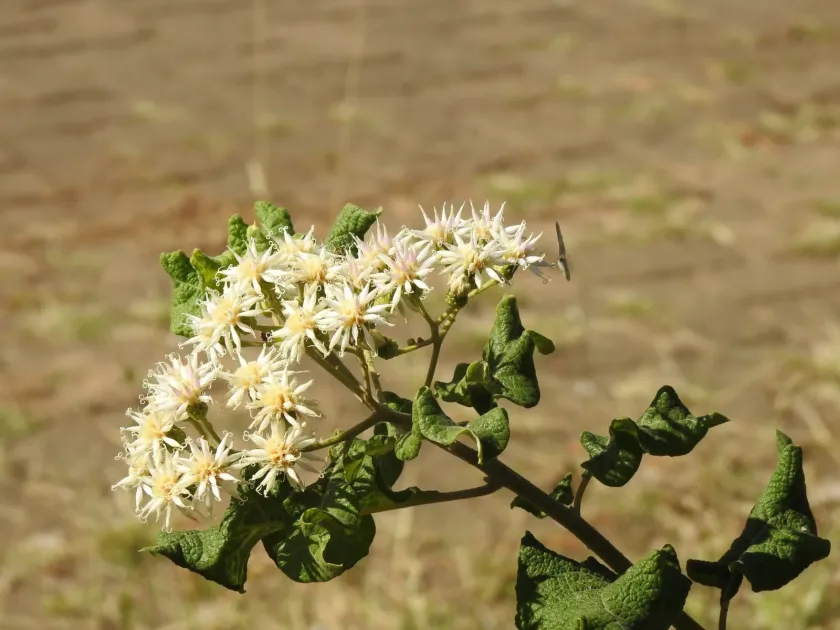
Description
Growing requirements
Vernonia colorata is a perennial shrub or tree species belonging to the Asteraceae family. Native to tropical Africa, this plant is well-regarded for its robustness and ability to thrive in various environments, from savannahs to degraded forest lands.
The climate requirements for Vernonia colorata are primarily centered around warm temperatures. It flourishes in tropical climates with an average temperature range of 20°C to 30°C. While it is drought-tolerant, consistent sunlight is essential for optimal biomass production.
Soil adaptability is one of the key strengths of this crop. It performs best in well-drained loamy soils but can survive in poor-quality, sandy, or even slightly saline soils. This adaptability makes it an excellent candidate for soil conservation and land rehabilitation programs.
Agronomic management involves periodic pruning, which is essential if the plant is used for hedge purposes or fodder production. Pruning stimulates branching, resulting in a denser canopy and higher leaf yield, which is the primary economic output of the plant.
Economically, Vernonia colorata is utilized for its leaves, which are used in traditional medicine and as a secondary source of livestock feed. Its potential as a honey-producing plant (nectar source) also adds value to rural farming systems in its native regions.
Main diseases and pests
The plant is generally hardy, but it can be susceptible to infestations by aphids and certain species of leaf-eating larvae. These pests typically target young shoots, which can lead to stunted growth if left unmanaged.
Fungal diseases, including powdery mildew and leaf spot, may occur in high-humidity conditions with poor airflow. Maintaining adequate spacing between plants is crucial to ensure proper air circulation and reduce the incidence of these pathogens.
Nematodes are a significant threat to root health, particularly in sandy soil types. Implementing crop rotation cycles and incorporating organic matter into the soil are recommended practices to build natural soil health and suppress nematode activity.
Integrated Pest Management (IPM) strategies are highly effective for this crop. Regular monitoring and the use of botanical or biological pesticides are preferred, as they protect the leaves intended for medicinal or fodder use from chemical residues.
Proactive care involves the removal of infected plant debris from the field to prevent the spread of spores. Keeping the field clean and maintaining vigorous plant health through correct nutrient management significantly lowers the overall disease pressure.