
Tritonia squalida
Tritonia squalida
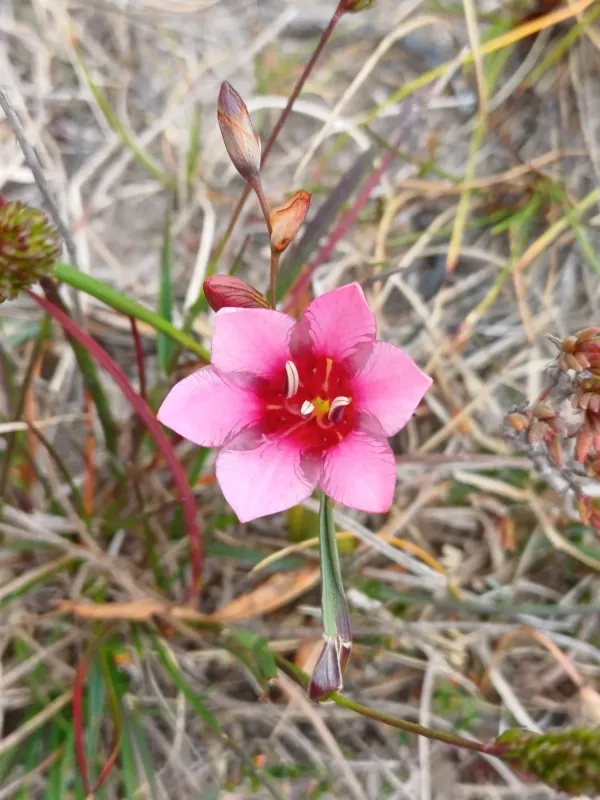
Description
Sowing dates
Corms are planted in the spring after the risk of frost has passed. Ensure the soil temperature is sufficiently warm to stimulate active growth of the root system.
The planting depth should be approximately 5 to 8 centimeters. It is advisable to space the bulbs 10 to 15 centimeters apart to allow for proper foliage development and air circulation.
Growing requirements
Tritonia squalida is a perennial bulbous plant belonging to the Iridaceae family. Known for its delicate flowers and graceful habit, it is a prized species among enthusiasts of South African bulbous flora.
The plant originates from the Cape Province of South Africa, where it thrives in areas with specific seasonal rainfall patterns. Understanding this Mediterranean-type climate is essential for successful cultivation abroad.
Requirements for growth include well-drained, fertile, sandy-loam soil. The plants perform best in full sun, though they tolerate partial shade during the hottest parts of the day in certain climates.
Adequate soil aeration is critical, as the bulbs are susceptible to rotting if exposed to prolonged moisture. Raised beds are often recommended for regions with heavy clay soils or high rainfall.
Tritonia squalida is primarily used for ornamental purposes in rock gardens, mixed flower borders, and container displays. It provides a unique aesthetic appeal during its blooming period.
Main diseases and pests
Disease threats primarily involve fungal issues, such as crown rot and botrytis, often triggered by poor drainage or excessive humidity in the environment surrounding the bulbs.
Pest problems typically include aphids, which may infest the soft foliage, and thrips, which can damage the developing flower spikes. Monitoring and integrated pest management are necessary for healthy stands.
Harvesting
Harvesting the corms is done once the foliage begins to wither and yellow in late summer or autumn. This indicates that the plant has stored enough energy for the next growing season.
After lifting, the corms should be cleaned, dried thoroughly, and stored in a cool, dark, and well-ventilated area until the next planting season to ensure longevity and prevent rot.