
Tritonia lineata
Tritonia lineata
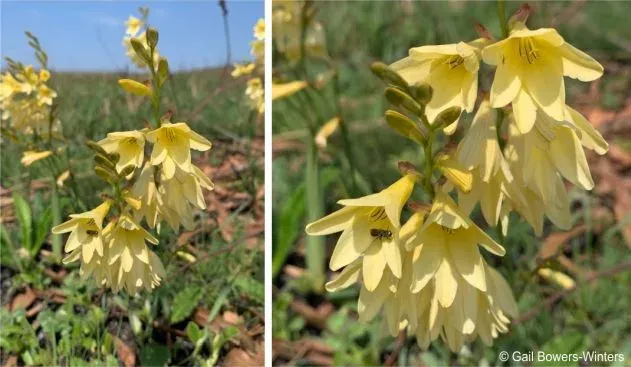
Description
Sowing dates
Tritonia lineata belongs to the Iridaceae family and is typically propagated using its corms. In agricultural and horticultural settings, this method ensures high genetic uniformity and stable flowering patterns.
Planting should be executed in the spring once the soil temperature consistently reaches 10–12 degrees Celsius. In most temperate regions, the ideal timeframe is late April or early May.
When propagating via seeds, sowing is performed in greenhouses during March. The seeds require a cold stratification process to overcome dormancy and ensure uniform germination across the tray.
Corms should be buried at a depth of 5 to 8 centimeters, depending on the soil structure. Proper spacing of 10–15 centimeters between individual corms is essential to ensure adequate airflow and nutrient access.
Utilizing a well-draining, lightweight substrate enriched with sand or vermiculite is highly recommended during the initial growth phase to promote a healthy root system.
Growing requirements
Native to South Africa, this species thrives in environments with high light intensity. It requires sunny, open garden locations that are protected from severe or drying winds to maintain optimal health.
The ideal soil is porous, structurally sound, and possesses excellent drainage capabilities. Excessive soil moisture is detrimental, as it quickly leads to the decay of the corm's basal plate.
Soil pH should range from slightly acidic to neutral. Before planting, it is advisable to incorporate organic matter such as well-rotted compost to improve overall soil structure and aeration.
While the plant requires regular watering during the active growing season, care must be taken not to over-saturate the substrate. A balance between moisture and drainage is crucial for development.
Tritonia lineata is not frost-tolerant. In regions with freezing winters, the corms must be lifted annually and stored in a frost-free environment to prevent winter damage.
Main diseases and pests
Fungal diseases, particularly those affecting the corms, are the most significant threat. Fusarium rot and various soft rots are common in conditions where soil drainage is inadequate.
Thrips are the primary insect pests affecting the foliage and inflorescences. They pierce the plant tissue, causing significant deformation and reducing the overall aesthetic quality of the blooms.
Spider mites can also proliferate rapidly during hot, dry spells. They cause foliage discolouration and weaken the plant, eventually inhibiting flower production if left untreated.
Good cultural practices, such as proper spacing and the use of fungicides during storage, are essential for managing these threats effectively in a commercial or home setting.
- Implementing systematic fungicide treatments for stored corms.
- Ensuring rigorous weed control to eliminate competing vegetation.
- Monitoring for early signs of insect infestation.
Harvesting
Harvesting corms takes place after the growing season concludes. This is indicated by the natural yellowing and senescence of the foliage, signifying that nutrients have returned to the corm.
The harvest should be conducted during dry weather using garden forks. It is vital to lift the soil carefully around the clumps to avoid slicing into the corms, which creates wounds for pathogens.
Post-harvest, the corms should be cleaned of loose soil and cured in a shaded, well-ventilated location for several days to harden the outer layers before long-term storage.
Storage conditions are critical; corms should be kept in a cool, dry area at temperatures between 5–8 degrees Celsius. Using dry peat or sawdust in storage trays helps maintain optimal humidity.
Regular inspections throughout the storage period are mandatory. Any corm showing signs of softening or fungal growth must be discarded immediately to prevent contamination of the healthy stock.