
Tritonia hybrids
Tritonia hybrids
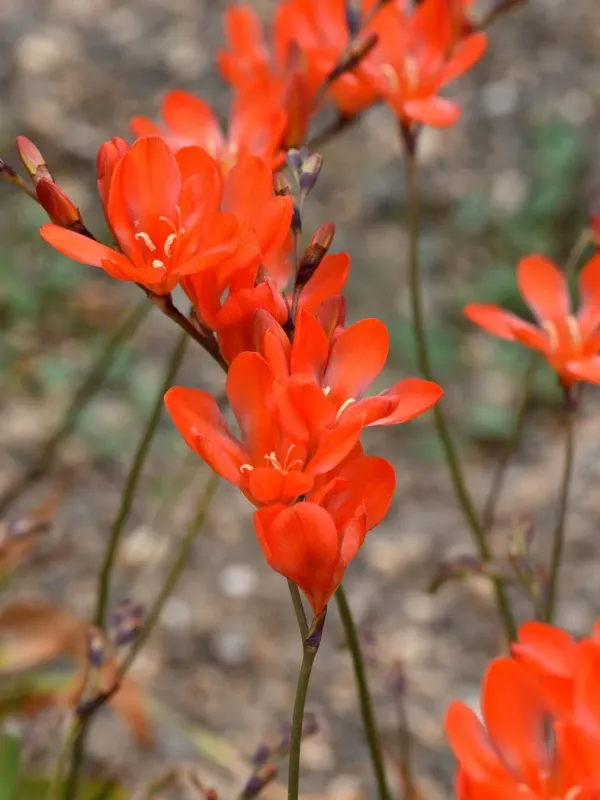
Description
Sowing dates
Tritonia hybrids are tender bulbous perennials belonging to the Iridaceae family. In temperate climates, bulbs should be planted in the open ground in late spring, once the soil has warmed up to at least 10–12 degrees Celsius.
The bulbs should be planted at a depth of 5–10 cm, maintaining a distance of approximately 15 cm between plants to ensure proper airflow. A sunny, wind-protected location is essential for healthy growth and development.
Since these plants are not frost-hardy in colder regions, it is necessary to dig up the corms every autumn before the first frost. Proper storage in a cool, frost-free environment is vital for surviving the winter.
For earlier flowering, gardeners may start the bulbs in containers indoors starting in March. This method allows the plants to establish a root system and enter the outdoor season in a more vigorous state.
Propagation by seeds is rarely used for hybrid varieties, as it requires several years for seedlings to mature to their first blooming season. Sowing should occur in early spring in well-draining seed trays.
Growing requirements
Tritonia hybrids thrive in full sun exposure. Adequate light is crucial for producing strong, upright flower stalks and achieving the desired vibrant color intensity of the blooms throughout the season.
The ideal soil for this crop must be light, fertile, and possess excellent drainage characteristics. Any waterlogging in the root zone will inevitably cause bulb rot, which is the most frequent cause of failure.
A neutral to slightly acidic sandy loam soil is preferred. Incorporating organic compost before planting helps to improve soil fertility and structure without providing excessive nitrogen that could harm the bulb development.
Regular, moderate watering is required during the active growth phase, especially during dry spells. Overwatering must be avoided, as keeping the soil constantly saturated will promote fungal pathogens.
Consistent maintenance, including weeding and surface hoeing, is important to ensure optimal aeration of the soil. Preventing weed competition helps the bulbs store enough energy for the following season.
Main diseases and pests
Fungal diseases are the primary threat, particularly gray mold, which can rapidly spread in humid conditions. Maintaining proper spacing and air circulation between plants is the most effective preventative measure.
Fusarium wilt can be catastrophic if contaminated bulbs are planted. It typically manifests as yellowing of the foliage and eventual collapse of the plant, requiring the removal and destruction of affected specimens.
Spider mites are common pests that thrive during hot, dry weather. They feed on plant sap, causing the leaves to develop a stippled appearance and eventually dry out if left untreated.
Thrips are also known to damage the flowers and buds, leading to deformed or discolored blooms. Regular inspection and targeted application of approved insecticides are recommended when pest thresholds are exceeded.
Practicing good hygiene, such as disinfecting gardening tools and pre-planting fungicide treatments for the corms, significantly lowers the risk of introducing and spreading diseases in the growing area.
Harvesting
The harvest of corms occurs at the end of the vegetative cycle, typically in late autumn when the foliage has turned yellow and naturally started to wither. This indicates the bulbs are dormant.
After carefully lifting the corms from the soil, they should be cleaned of dirt and dead root debris. It is critical to avoid nicking or bruising the skin, as these wounds become entry points for rot.
Before storage, the corms must be air-dried in a warm, shaded, and well-ventilated space for several weeks. This hardening process is essential to prevent moisture-related issues during long-term storage.
Once dry, the corms should be sorted, discarding any that show signs of disease or soft spots. The healthy bulbs are then stored in breathable bags or mesh containers to maintain good airflow.
Winter storage should take place in a dark, cool room where temperatures remain consistent between 5 and 8 degrees Celsius. Periodically checking the bulbs helps catch and remove any that begin to rot.