
Tridens brasiliensis
Tridens brasiliensis
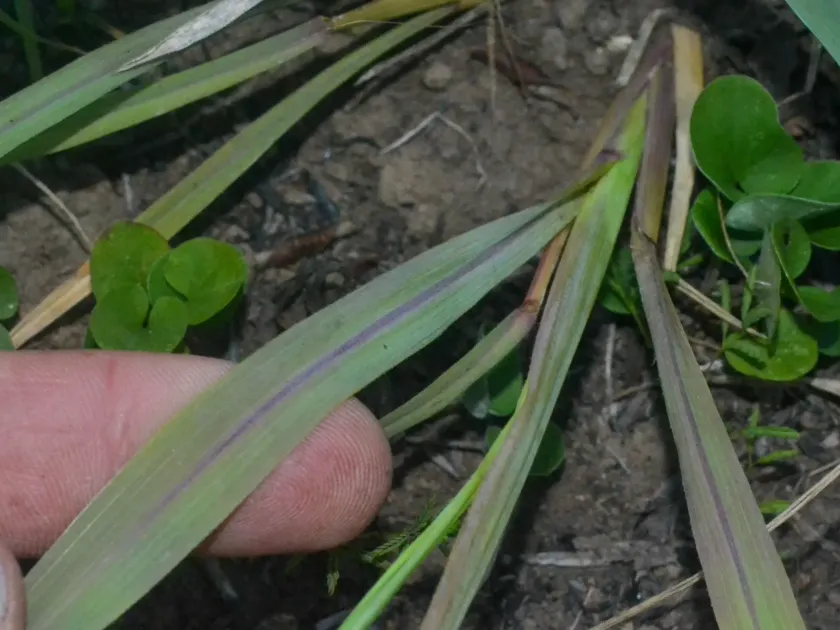
Description
Sowing dates
Tridens brasiliensis is a perennial grass species, and the optimal sowing timing is highly dependent on the local climate and the onset of the wet season.
Sowing should ideally occur when soil temperatures reach 20–25 degrees Celsius, which promotes rapid germination and strong root development.
Effective seedbed preparation is essential to ensure that the small seeds have adequate contact with the soil for successful establishment.
The seeds are typically sown at a depth of 1–2 centimeters, which prevents desiccation while allowing the seedlings to emerge promptly.
Proper weed management during the seedling stage is critical to ensure that Tridens brasiliensis can compete effectively with invasive plants.
Growing requirements
Native to regions of South America, this grass is well-adapted to tropical and subtropical climates characterized by distinct wet and dry cycles.
The plant shows high ecological resilience, thriving in various soil types, including sandy and nutrient-poor substrates common in its native range.
Tridens brasiliensis requires full sun exposure and is not suited for shaded areas, as reduced light intensity significantly lowers biomass production.
While the species exhibits moderate drought tolerance, it requires consistent moisture during the peak growing season to achieve high yields.
It prefers soil conditions ranging from slightly acidic to neutral, which ensures optimal nutrient uptake for healthy vegetative growth.
Yield
The biomass yield of Tridens brasiliensis is heavily influenced by the management regime, specifically the application of nitrogen fertilizers and grazing frequency.
The grass forms a dense sod layer that maintains nutritional quality over an extended period, making it a reliable resource for pastoral farming.
When managed correctly, the culture provides a consistent source of forage that is suitable for supporting livestock populations in extensive grazing systems.
Regular harvesting or grazing cycles encourage tillering, which enhances the overall density of the stand and increases long-term productivity.
Yield losses can occur if grazing intensity is not monitored, as excessive pressure prevents the plant from replenishing its root reserves.
Main diseases and pests
Like most forage grasses, Tridens brasiliensis is susceptible to fungal infections, particularly under conditions of high humidity and poor airflow.
Rust diseases are common, appearing as characteristic lesions on leaf blades, which can reduce both the visual quality and the nutritional value of the forage.
Pests such as various caterpillar species can cause significant damage to the leaves, hindering the plant's ability to recover after grazing or cutting.
Disease management relies primarily on cultural practices, such as maintaining appropriate stand density and avoiding over-saturation of the soil.
Integrated pest management strategies are encouraged to maintain the health of the pasture while minimizing the need for chemical interventions.
Harvesting
Harvesting for hay should be performed during the early heading stage to maximize the concentration of proteins and minerals in the plant tissue.
In pasture settings, implementing rotational grazing is vital to prevent soil compaction and the destruction of the plant's growth points.
After harvesting, leaving a stubble height of at least 5–7 centimeters is recommended to ensure rapid regrowth of the vegetation.
Proper storage of the harvested material requires dry, ventilated conditions to prevent the growth of molds and loss of feed quality.
An efficient harvest cycle allows for multiple cuttings throughout the season, providing a steady and reliable supply of fodder for the farm.