
White tridens
Tridens albescens
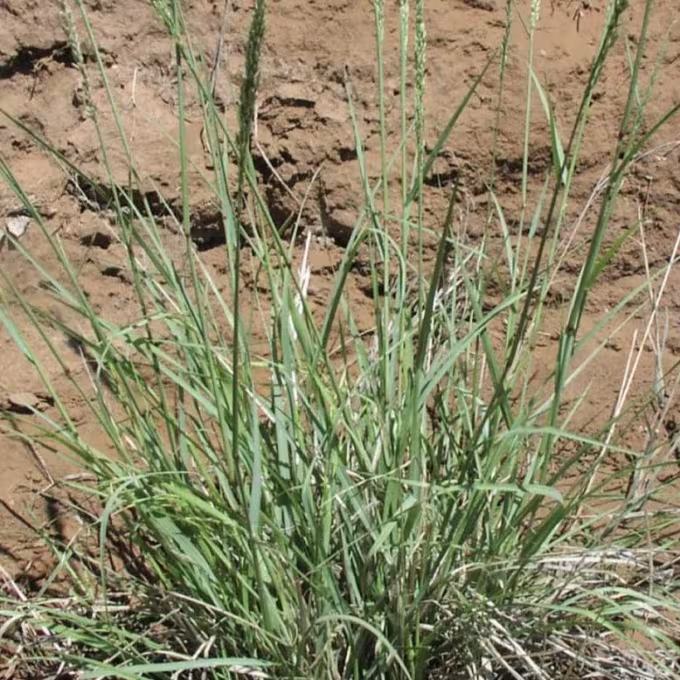
Description
Sowing dates
White tridens (Tridens albescens) is a perennial grass species that requires warm conditions for successful germination. Sowing is typically performed in late spring when soil temperatures have stabilized, ensuring the seeds receive enough thermal energy to break dormancy.
Because the seeds are relatively small, shallow sowing is essential. Placing seeds at a depth of no more than 1-2 centimeters ensures they have sufficient access to light and oxygen, which are critical for the early stages of development.
Farmers should prepare the seedbed carefully, removing competing weeds to reduce pressure on the seedlings. A firm seedbed is recommended, and rolling the soil after sowing can significantly improve seed-to-soil contact and moisture absorption.
The seeding rate should be calibrated to establish a dense stand that can naturally suppress invading weeds. Once established, the plant's ability to propagate through its root system ensures the long-term viability of the pasture.
Proper irrigation during the first few weeks after sowing can drastically increase the establishment success rate, although the mature plant is highly drought-tolerant and requires little additional water.
Growing requirements
As a member of the Poaceae family, White tridens is highly adaptable to various soil types, ranging from sandy soils to heavier loams. Its primary requirement is a sunny, well-lit location, as it thrives in full sun and does not compete well in shaded areas.
The plant demonstrates excellent performance in soils with neutral to slightly alkaline pH. It is particularly valued in agricultural systems for its ability to grow in nutrient-poor environments where other, more demanding forage crops might fail.
Climate adaptability is one of the key features of this grass. It is well-suited for regions experiencing significant heat and periodic moisture stress, making it a reliable component of rangelands in arid or semi-arid climates.
White tridens does not tolerate waterlogging. Ensuring the chosen land has adequate drainage is the most critical factor for long-term survival and productivity, as stagnant water can lead to root degradation.
Minimal fertilization is typically required, as the species is efficient at nutrient uptake from marginal soils, making it an economically efficient choice for large-scale livestock management systems.
Yield
The yield potential of White tridens is based on its ability to produce consistent biomass throughout the growing season. It is highly favored for grazing systems because of its quick regrowth after being defoliated by livestock.
To maximize biomass production, rotational grazing is highly recommended. This practice allows the plant to replenish energy stores in its root system, maintaining high productivity levels throughout the entire summer season.
While the forage quality is best during the vegetative phase, the grass retains a reasonable level of protein and digestibility compared to other native range grasses, especially when managed to prevent it from reaching full maturity.
The total annual yield per hectare can vary depending on precipitation levels, but the species remains productive even in years with below-average rainfall, providing a buffer for grazing operations during droughts.
Proper management of grazing intensity ensures that the stand remains healthy and vigorous for years, preventing the grass from becoming overly stemmy or losing its nutritional value.
Main diseases and pests
White tridens is notably resistant to most common fungal diseases that affect cereal crops, reducing the need for chemical intervention. This makes it an excellent candidate for low-input or organic farming environments.
Pest threats primarily include grasshoppers and other insects that feed on foliage. In most cases, these populations remain in check unless conditions for mass outbreaks occur, in which case rotational grazing can help mitigate damage.
Root rot remains the main danger if the soil remains waterlogged for extended periods. Avoiding poorly drained sites is the most effective preventative measure against such diseases.
Weed management is rarely an issue after the first season of growth. The dense structure of the plant effectively outcompetes most invasive weeds, allowing it to maintain dominance within the pasture.
Periodic monitoring for signs of stress or infestation is advised, especially if the grass shows patches of stunted growth. However, most issues can be managed through natural cultural practices rather than the use of harsh pesticides.