
Trema micrantha
Trema micrantha
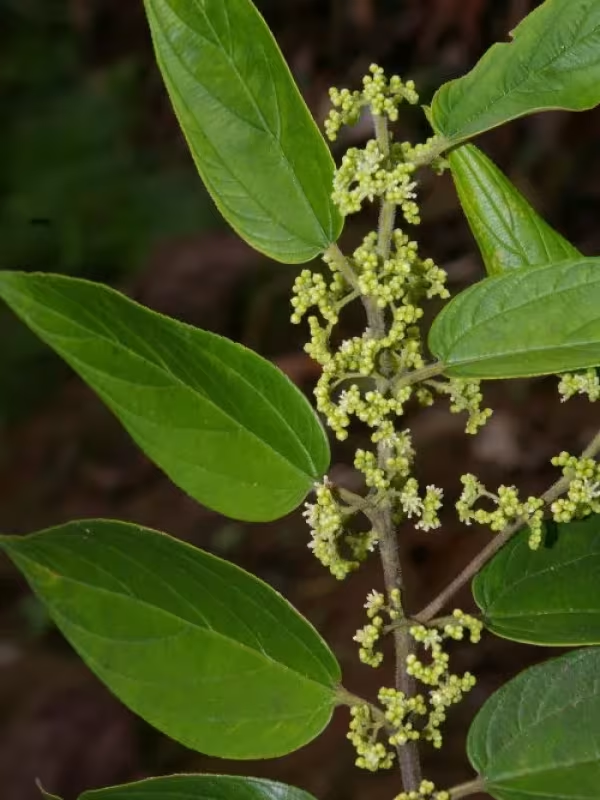
Description
Sowing dates
Trema micrantha is a fast-growing pioneer tree species belonging to the Cannabaceae family, native to tropical and subtropical regions of the Americas.
Propagation is primarily through seeds, which should be sown in well-drained nursery beds soon after harvest to ensure maximum germination rates.
In the field, seedlings are typically raised in containers until they reach a robust size, which usually takes about three to four months.
The timing of sowing is critical and is usually coordinated with the onset of the rainy season to provide sufficient water for root establishment.
Proper spacing is required during transplantation to prevent overcrowding, which can inhibit the rapid vertical growth characteristic of this species.
Growing requirements
This species thrives in full sunlight, making it an excellent candidate for reforestation of disturbed areas, forest edges, and abandoned agricultural lands.
The tree prefers deep, fertile, and well-drained soils, although it displays a remarkable ability to adapt to varying soil conditions across its range.
Climate requirements include high annual rainfall and consistently warm temperatures, as the species is not frost-tolerant and requires a tropical climate.
While tolerant of nutrient-poor soils, overall productivity is significantly improved with proper soil management and the addition of organic matter.
The site selection should avoid areas prone to prolonged flooding, as the roots are sensitive to waterlogging and may develop rot under such conditions.
Yield
Trema micrantha is highly valued in industrial forestry for its rapid biomass production, with trees reaching harvestable size in less than a decade.
The wood is lightweight and soft, making it suitable for the manufacture of paper pulp, plywood, particle boards, and various wooden utensils.
Beyond timber, the leaves and young foliage are studied for their potential as a supplementary fodder source for livestock in tropical farming.
The species plays a vital role in ecological restoration by providing quick canopy cover, which helps in suppressing weeds and protecting the soil from erosion.
High yields of biomass contribute to its popularity in carbon sequestration projects and as a source for renewable energy in certain rural regions.
Main diseases and pests
The main threats to plantations include fungal pathogens that attack the root system, often exacerbated by poor drainage or excessive humidity.
Insect pests such as leaf-eating beetles can cause significant damage to young plantations, reducing photosynthetic capacity and overall tree vigor.
Mechanical failure due to wind damage is a frequent concern because of the tree's soft wood and rapid, often top-heavy growth habit.
Competition from aggressive invasive weeds can severely hinder the development of seedlings, requiring regular management during the first year.
Drought stress in regions with marked dry seasons can lead to high mortality rates, emphasizing the need for irrigation systems in certain environments.
Harvesting
Harvesting for timber is typically scheduled between 5 and 10 years, reflecting the tree's exceptional ability to accumulate volume in a short timeframe.
Sustainable harvesting practices often involve selective logging or clear-cutting followed by natural regeneration from the remaining rootstock.
Seed collection is performed manually by monitoring the maturation of fruits, which are picked once they reach their characteristic ripeness stage.
For fodder production, harvesting involves periodic pruning of branches, which encourages new vegetative growth and maintains tree health.
After logging operations, debris and leaf litter are often incorporated into the soil to improve nutrient cycling for the next generation of trees.