
Trema lamarckiana
Trema lamarckiana
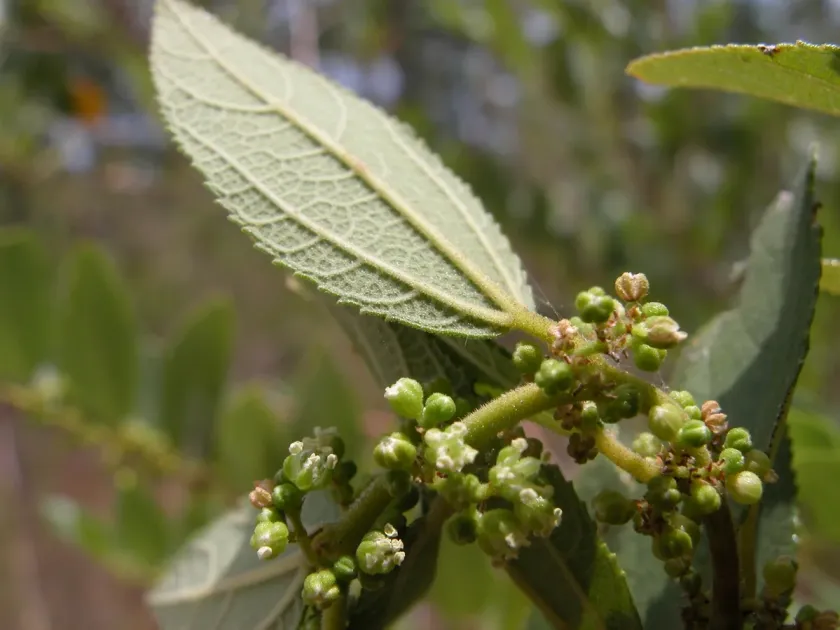
Description
Growing requirements
Trema lamarckiana belongs to the Cannabaceae family and is recognized as a hardy, fast-growing tree native to the Caribbean region. It plays a significant role as a pioneer species in tropical forest succession.
The plant thrives in subtropical and tropical climates, demonstrating a strong preference for well-drained, limestone-based soils. It is frequently found on rocky outcrops and disturbed coastal areas.
In terms of light requirements, Trema lamarckiana is strictly heliophytic. It requires full sunlight exposure to maintain its rapid growth rate and structural integrity, especially during the seedling stage.
Temperature and moisture are critical parameters. The species is adapted to high average temperatures and can tolerate seasonal fluctuations, provided that the soil drainage is sufficient to prevent root rot.
Cultivation requires minimal fertilizer input, as the species has evolved to extract nutrients from relatively thin soil profiles. However, supplemental irrigation is recommended during the establishment phase in arid conditions.
Harvesting
The economic utility of Trema lamarckiana primarily focuses on its rapid biomass accumulation. This makes it an ideal candidate for carbon sequestration projects and large-scale reforestation of degraded lands.
The wood quality is characterized by low density, making it suitable for temporary construction purposes, pulpwood production, and the manufacturing of light agricultural tools or small wooden objects.
Soil stabilization is another critical benefit. Due to its extensive and vigorous root system, Trema lamarckiana is highly effective at binding loose soils, which prevents erosion in tropical landscapes.
Harvesting procedures usually involve selective cutting to allow for natural regeneration, which occurs readily through seed dispersal. This ensures a sustainable harvest cycle without the need for intensive replanting.
- Maintenance of tree spacing.
- Monitoring for pest outbreaks.
- Controlled thinning of dense stands.
- Periodic removal of dead branches.