
Torreya fargesii
Torreya fargesii
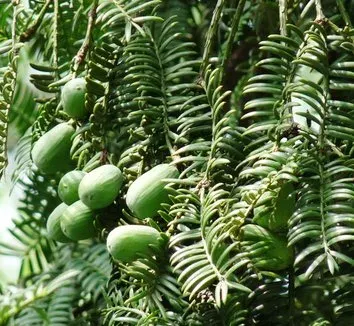
Description
Sowing dates
Propagation of Torreya fargesii is primarily achieved through seeds, which require a prolonged cold stratification period to break dormancy.
Sowing in nurseries is typically performed in the autumn, allowing the seeds to undergo natural stratification within the soil during the winter months.
Seedlings emerge in the spring, requiring careful management of moisture levels and protection from intense direct sunlight during their initial growth phase.
Vegetative propagation via cuttings is possible but often presents challenges with rooting success, necessitating the use of specialized growth hormones.
Transplanting young saplings to their permanent plantation site is recommended after 2-3 years, once the root system is sufficiently established.
Growing requirements
Torreya fargesii is a distinct member of the Taxaceae family, characterized by its evergreen foliage and the potential to reach heights of 20 meters.
The species thrives in temperate climates with high humidity and consistent rainfall, mirroring the conditions of its native mountain forests in China.
Optimal growth occurs in deep, well-drained loamy or sandy-loam soils that maintain a neutral or slightly acidic pH balance throughout the year.
While young trees exhibit shade tolerance, mature specimens require significant exposure to sunlight to maintain vigorous growth and fruit production.
The ideal temperature range for this species is between 15 and 25 degrees Celsius, with established trees showing moderate resistance to cold weather.
Yield
The primary economic value of this crop lies in its seeds, which are highly prized for their nutritional oil content and protein in culinary applications.
The wood of Torreya fargesii is also economically significant, being prized for its durability, fine grain, and natural resistance to decay.
Commercial fruit production typically begins 10-15 years after planting, requiring long-term land management and consistent maintenance strategies.
Yield productivity is significantly influenced by plantation density, which ensures optimal competition for light and soil nutrients among the trees.
Regular application of organic fertilizers in the root zone is essential to support the tree’s nutritional needs for consistent annual seed yields.
Main diseases and pests
Root rot caused by fungal pathogens is a primary threat to Torreya plantations, particularly in areas with poor drainage and waterlogging issues.
Young seedlings are particularly susceptible to Phytophthora, necessitating strict soil sanitation and careful irrigation management in nursery settings.
Pests such as scale insects can cause significant damage by extracting sap from the foliage, leading to weakened trees and reduced growth rates.
Certain seed-boring weevils can threaten the harvest quality, requiring proactive monitoring and integrated pest management strategies to protect the crop.
Maintaining a healthy forest ecosystem and employing biodiversity-friendly practices can help mitigate the risks of widespread disease outbreaks.
Harvesting
Harvesting of the seeds occurs in the autumn when the fleshy fruit coating ripens, turns color, and easily separates from the inner nut.
The harvest process usually involves manual picking or gentle mechanical shaking, followed by immediate collection from the ground.
Post-harvest cleaning is vital to remove the fleshy pericarp, as its fermentation can rapidly degrade the quality of the harvested seeds if left intact.
Seeds must be thoroughly dried in well-ventilated areas to reduce moisture content, preventing the development of mold during long-term storage.
Proper storage in cool, dry conditions ensures that the nutritional properties and taste of the Torreya seeds are preserved for commercial distribution.