
California nutmeg
Torreya californica
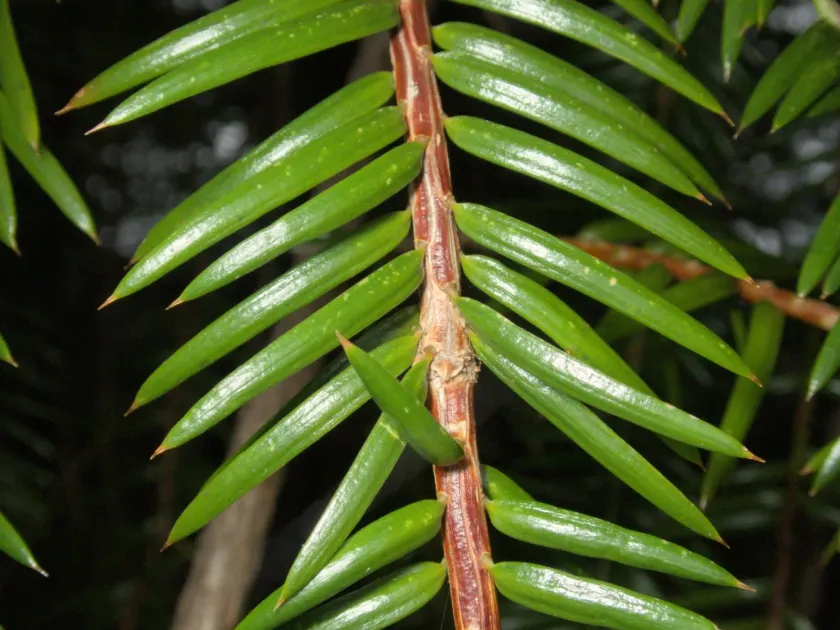
Description
Sowing dates
The propagation of California nutmeg is primarily achieved through seeds. Seeds require a significant period of cold stratification, making autumn sowing in prepared nursery beds the most effective traditional method.
When sowing, seeds should be placed at a depth of 3 to 5 centimeters in well-drained, fertile soil. Maintaining proper soil moisture without creating waterlogged conditions is essential for successful germination.
Vegetative propagation via cuttings is possible but requires professional greenhouse management. Using rooting hormones and maintaining high humidity levels are crucial steps to ensure successful root development.
Transplanting young saplings to their permanent location is recommended in early spring. This allows the root system to establish itself before the onset of the summer heat and subsequent winter dormancy.
Young plants are particularly vulnerable to environmental stress. Providing protective shading and applying mulch around the base of the plant are vital practices for early growth support.
Growing requirements
California nutmeg is a species within the Taxaceae family. It is an evergreen conifer known for its slow growth rate, reaching a significant height in its native habitat while maintaining a dense, pyramidal canopy.
The species thrives in moist, well-drained soils with a slightly acidic to neutral pH level. It has a low tolerance for heavy, compacted soils that do not allow for adequate water drainage around the roots.
This tree is considered shade-tolerant, which makes it suitable for understory planting or partially shaded landscape settings. Protection from harsh, direct sunlight is necessary to maintain the health of the needles.
Regarding climate, it prefers regions with temperate conditions and mild winters. While it can withstand cooler temperatures, it does not tolerate severe, prolonged freezing without proper wind protection.
Agronomic management involves regular monitoring of soil moisture and careful fertilization during the active growing season. Slow-release fertilizers designed for conifers are generally preferred to avoid over-fertilization.
Main diseases and pests
Root rot caused by stagnant water is the most frequent pathological threat to this species. Ensuring excellent drainage at the site of cultivation is the primary preventative measure for long-term health.
Insects like scale insects can pose a threat by extracting sap from the branches and needles. Periodic visual inspections of the foliage allow for early detection and targeted insecticidal treatment if necessary.
Drought stress may weaken the tree, making it susceptible to secondary infestations and fungal infections. Consistent watering during peak heat periods is critical for maintaining the tree's natural defense mechanisms.
Wildlife, particularly deer and rodents, may target the bark or foliage of younger specimens. Mechanical protection or fencing is often required in areas where wildlife presence is high.
Sanitary pruning to remove dead or diseased wood is essential for airflow within the canopy. This practice reduces the risk of moisture-trapped environments where fungal spores tend to thrive.