
Tomato
Solanum lycopersicum L. var. lycopersicum
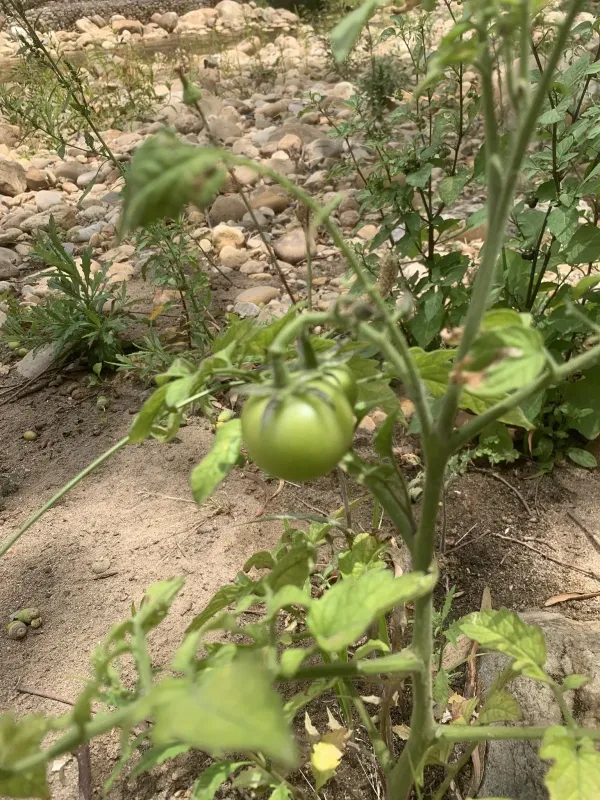
Description
Sowing dates
Tomato seeds are typically sown for seedlings 50–70 days before transplanting into the open field, usually occurring in late winter or early spring. Optimal germination temperature is between +22 °C and +25 °C.
In regions with milder climates, direct sowing into the ground is possible once the soil warms up to at least +15 °C. However, the seedling method is preferred to avoid early cold shocks.
Quality potting mix rich in organic matter and well-draining structure is essential for healthy seed development. Seeds are typically sown at a depth of 1–1.5 cm.
During the seedling phase, ensuring adequate light is crucial to prevent leggy growth. Supplementary artificial lighting is often used in professional greenhouse operations.
Pricking out seedlings promotes stronger root architecture, improving the plant's stability and ability to absorb water and nutrients once transplanted.
Growing requirements
The tomato (Solanum lycopersicum) is a warm-season crop that thrives in temperatures between +20 °C and +25 °C. Growth slows significantly below +10 °C.
The crop requires full sun exposure and fertile, well-drained loamy soil with a pH level between 6.0 and 7.0 for optimal nutrient availability.
Consistent watering is necessary, but maintaining soil moisture without waterlogging is key. Drip irrigation systems are highly recommended to keep the foliage dry and reduce disease risk.
Proper air circulation is critical in greenhouse environments to prevent the buildup of humidity, which can lead to fungal outbreaks such as powdery mildew.
Balanced fertilization throughout the growth cycle is necessary. Nitrogen is vital for vegetative growth, while potassium and phosphorus are essential for fruit set and ripening.
Yield
Yield potential depends heavily on the variety (determinate vs. indeterminate), management practices, and climate. Greenhouse yields can reach 15–25 kg per square meter.
Pruning suckers is an essential technique for indeterminate varieties to maximize light penetration and airflow, focusing the plant's energy on fruit development.
Mulching helps maintain soil moisture levels and protects low-hanging fruits from direct contact with the soil, reducing the risk of rot and soil-borne diseases.
Strategic nutrient management during the flowering and fruit-setting stages can significantly enhance total output and fruit quality.
Timely removal of weeds is necessary to prevent competition for essential nutrients, water, and sunlight, which otherwise limits plant growth and productivity.
Main diseases and pests
Late blight is perhaps the most destructive disease affecting tomatoes, particularly in humid and cool conditions. Preventive fungicide application and hygiene are key.
Bacterial wilt can cause rapid plant death, especially in hot, humid climates. Once infected, plants must be removed to prevent the spread of the pathogen.
Common pests include whiteflies, spider mites, and aphids, which stress plants and transmit viral diseases. Integrated Pest Management (IPM) is the standard approach for control.
Blossom-end rot is a physiological disorder often caused by calcium deficiency or irregular watering patterns. Maintaining consistent soil moisture usually prevents this.
Viral infections like Tobacco Mosaic Virus can be devastating and have no cure, making the use of resistant varieties and vector control the primary defense.
Harvesting
Harvesting is performed selectively based on the intended use. Fruits for fresh market are harvested at peak ripeness, while those for transport are picked at the breaker stage.
Fruits should be handled with care to avoid mechanical damage or bruising, which can serve as entry points for pathogens and reduce shelf life.
Harvesting in the early morning, once dew has evaporated, is recommended to ensure the highest fruit quality and minimize contamination.
For fruit picked before full ripeness, controlled environmental conditions (temperature and ethylene) can be used to manage the rate of ripening.
Post-harvest storage should involve cool, well-ventilated areas to maintain quality and prevent rapid spoilage before the product reaches the end consumer.