
Scottish asphodel
Tofieldia pusilla
Description
Growing requirements
Scottish asphodel (Tofieldia pusilla) is a perennial herbaceous plant belonging to the Tofieldiaceae family. While not an agricultural crop, it is a significant botanical species often found in subarctic and alpine ecosystems across the Northern Hemisphere.
The plant originates from arctic regions, demonstrating extreme cold hardiness. It is found in various locations across North America, Europe, and Asia, particularly in areas characterized by short, cool growing seasons and high atmospheric humidity.
Optimal growth requires moist, calcareous substrates. It prefers open environments such as marsh edges, wet flushes, and tundra meadows, where it can access sufficient moisture and minerals without competing against larger vascular plants.
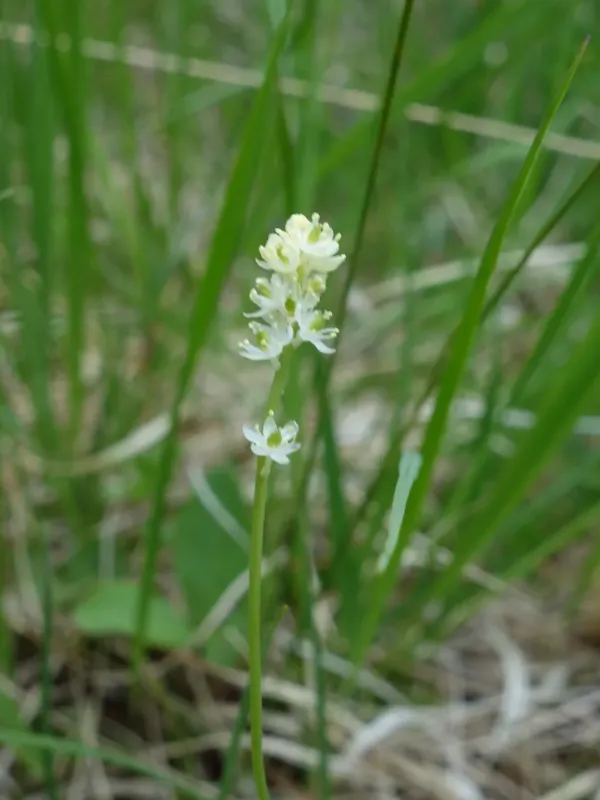
Botanical features include a dense rosette of equitant leaves and a slender, leafless scape topped by a short raceme of small white to yellowish flowers. The plant's root system is short and fibrous, adapted to surviving in rocky or thin organic soils.
Cultivation efforts necessitate the replication of natural conditions, specifically a constant moisture level and alkaline soil pH. In artificial settings, providing adequate drainage alongside sustained hydration is critical to maintaining the plant's health.
Main diseases and pests
The primary threat to Scottish asphodel populations is habitat loss due to climate change and the drying of wetland ecosystems. These hydrological changes often result in the rapid decline of specialized species that rely on constant saturation.
Fungal diseases can affect the plant when environmental conditions deviate from its natural cold-climate preferences, especially if excessive moisture leads to stagnant conditions and root rot.
Pests such as small larvae and insects that feed on plant tissues can cause damage during the short blooming period, potentially affecting seed production and population renewal rates.
Invasive plant species pose a significant threat by outcompeting the slow-growing Scottish asphodel for light and space in changing environments where the plant is no longer favored by climate.
Anthropogenic pollution, particularly nitrogen deposition and soil contamination, negatively impacts the delicate physiological balance of the plant, which has evolved in highly oligotrophic conditions.