
Tofieldia coccinea
Tofieldia coccinea
Description
Growing requirements
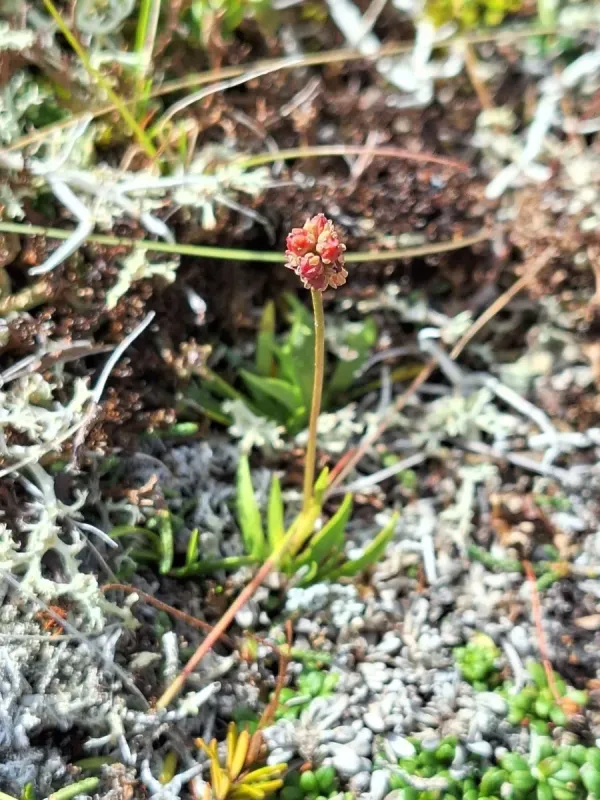
Tofieldia coccinea, commonly known as the northern tofieldia, is a perennial herbaceous plant belonging to the Tofieldiaceae family. It is native to the arctic and subarctic regions of North America and Eurasia, often thriving in harsh, cold environments.
The plant is characterized by a compact rosette of ensiform leaves and a spike-like inflorescence. Its most striking feature is the development of reddish or purplish hues in the flower cluster as it matures, which gives the species its distinctive appearance.
In terms of growing conditions, it requires well-drained, moist soils that are slightly acidic to neutral. Ensuring proper drainage is critical, as the roots are sensitive to waterlogging, particularly during the transition between the dormant and active growth stages.
It prefers full sun exposure to thrive, though it can tolerate light shade. As a species adapted to high latitudes, it possesses significant cold hardiness, allowing it to withstand extreme sub-zero temperatures and brief growing seasons common in its native range.
The primary use of Tofieldia coccinea is in specialized ornamental horticulture. It is frequently utilized in rock gardens, alpine troughs, and botanical collections where its unique foliage and vibrant color display are highly valued by gardeners and botanists.
Main diseases and pests
The most common threats to the health of this plant are fungal diseases, such as root and crown rots, typically triggered by stagnant water and poor soil aeration. Maintaining a balanced soil moisture level is essential for disease prevention.
Insect pests are generally less problematic, though slugs and snails can occasionally cause damage to the foliage during the early spring. Regular monitoring and maintaining a clean growing area are the most effective strategies to protect the plants.