
Tofieldia nuda
Tofieldia nuda
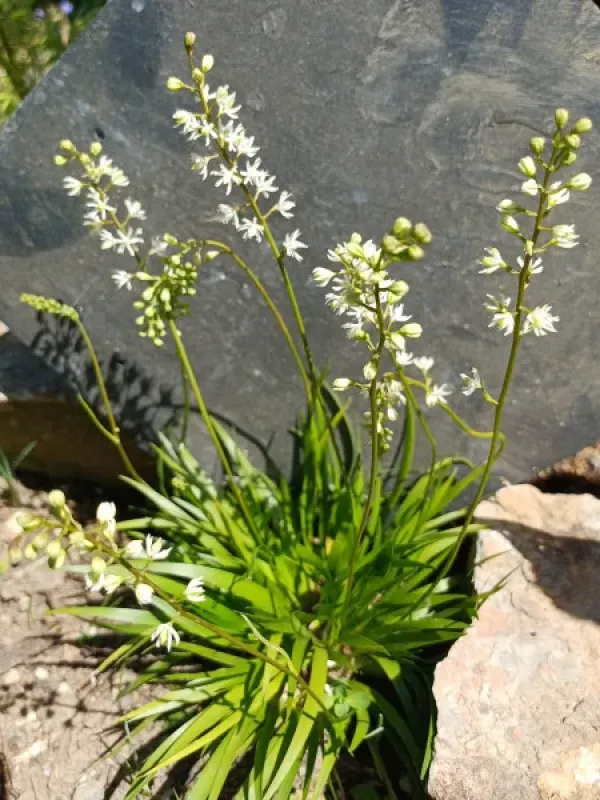
Description
Growing requirements
Tofieldia nuda is a perennial herbaceous plant belonging to the Tofieldiaceae family. In its natural habitat, it is commonly found in damp environments, including alpine meadows and marshy slopes where water is consistently available.
The crop thrives in acidic to neutral soils enriched with organic matter. Providing a stable moisture level is essential for the plant, as it cannot withstand prolonged drought, which impacts its health significantly.
Climate requirements for this species focus on a temperate to cold environment. It shows remarkable resilience to low winter temperatures, making it suitable for regions with distinct seasons and cool summers.
Proper light management is a core component of its cultivation. The plant performs best in open locations that provide plenty of indirect light, avoiding direct afternoon sun that might scorch the foliage.
Botany-wise, Tofieldia nuda grows from a rhizome, producing a rosette of ensiform leaves. The flower stalk is simple, often reaching a moderate height, ending in a raceme of small, delicate, greenish-white flowers.
Main diseases and pests
The primary threat to the health of the plant is substrate desiccation. If the root zone dries out, the plant enters a state of dormancy or experiences severe tissue damage, preventing successful recovery.
Fungal diseases are a risk if the environment lacks proper air circulation. Stagnant air combined with high humidity often leads to fungal infections affecting the crown and the base of the stems.
Pests such as slugs and snails are highly attracted to the lush, damp conditions preferred by the species. These pests can rapidly defoliate the plant, especially during the early stages of the growing season.
Soil-borne pathogens represent a significant danger if the planting site is not properly prepared. Using contaminated organic matter can introduce nematodes that damage the plant's delicate root system.
Competition from weeds is a major setback for this relatively slow-growing plant. Maintaining a weed-free area around the specimen is necessary to ensure it receives sufficient nutrients and light without being outcompeted.