
Terminalia subspathulata
Terminalia subspathulata
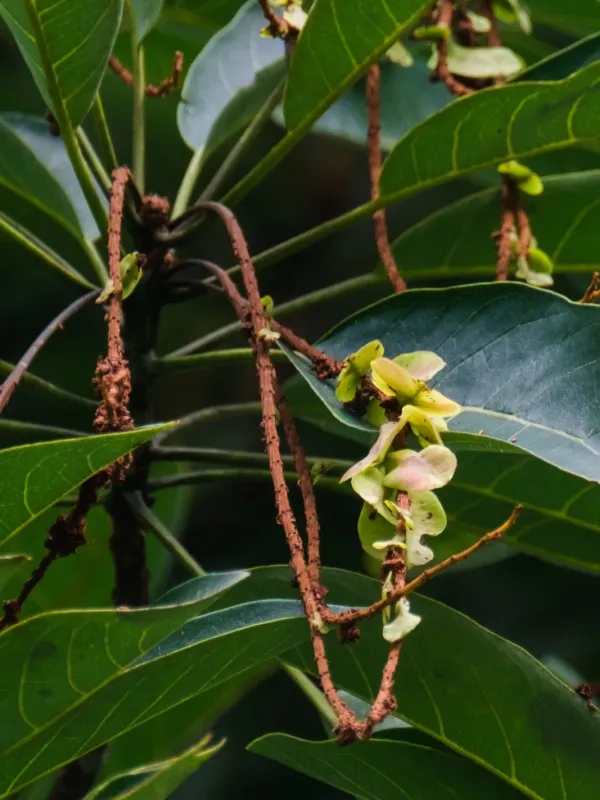
Description
Growing requirements
Terminalia subspathulata is a large, commercially significant tree belonging to the Combretaceae family. Native to the tropical regions of Southeast Asia, this species is highly valued for its durable and aesthetically pleasing timber, which is widely used in construction and woodworking.
The tree thrives in tropical climates characterized by high temperatures and consistent, year-round precipitation. For optimal development, it requires deep, nutrient-rich, and well-drained soils, which allow the tree to reach its full growth potential and maintain a straight, high-quality trunk.
Silvicultural practices for this crop involve careful site selection and management of stand density. In plantation settings, young trees require protection from direct sunlight and competition from weeds to ensure they establish a healthy root system and dominant leader shoot during their first years.
Maintenance of the stands includes periodic pruning to prevent the formation of large knots and defects in the wood. Managing the soil moisture balance is critical, as stagnant water can severely restrict the growth of this species and predispose it to physiological stress.
Beyond its economic value for wood production, Terminalia subspathulata plays a role in local ecosystems by providing canopy cover and contributing to the stability of forest soil. Sustainable management is essential to balance commercial harvesting with long-term ecological preservation.
Main diseases and pests
Terminalia subspathulata faces several biological threats, primarily related to fungal diseases that thrive in high-humidity conditions. Root rot, caused by various soil-borne pathogens, is a significant concern that can occur if the drainage conditions are not properly managed.
Wood-boring insects, particularly beetles, represent a severe threat to mature trees. These pests penetrate the bark and tunnel into the heartwood, which causes substantial economic losses by reducing the quality and volume of usable timber for industrial applications.
Defoliating insects can also hinder the growth of younger trees, reducing their photosynthetic capacity and slowing down the annual increment. Integrated pest management strategies are often implemented on plantations to mitigate these infestations through biological control and monitoring.
Mechanical damage during routine forest operations often serves as an entry point for various pathogens and pests. Ensuring that personnel follow strict handling guidelines for harvesting and maintenance is a key component of protecting tree health and longevity.
Monitoring programs are vital for detecting disease outbreaks early, especially in monoculture plantations where pests spread rapidly. Rapid removal of infected trees and the use of site-appropriate management practices remain the best defenses against widespread plantation damage.