
Terminalia subacroptera
Terminalia subacroptera
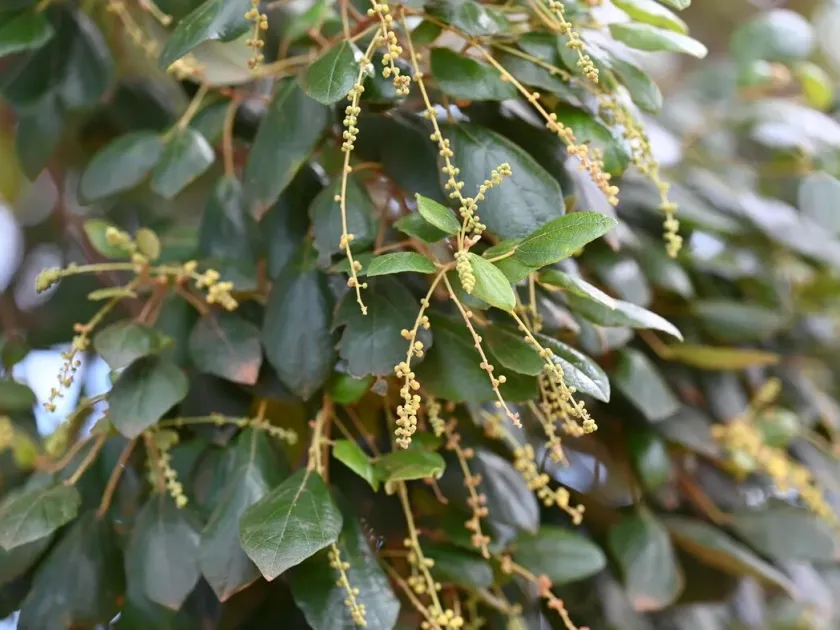
Description
Growing requirements
Terminalia subacroptera is a significant tree species belonging to the Combretaceae family, native to tropical regions of Africa. It is widely recognized for its ecological adaptability, particularly in savannah environments where it forms a crucial part of the local landscape and biodiversity.
Botanically, the species is distinguished by its winged fruits which are specifically adapted for wind dispersal. The tree exhibits a robust growth pattern, capable of reaching significant heights while maintaining structural integrity, which makes it a preferred species for various reforestation projects in arid to semi-arid regions.
The cultivation of this plant requires well-drained soil, as it is highly sensitive to waterlogging. It thrives in sandy or loam soils that allow for deep root penetration, enabling the plant to access groundwater during the dry seasons common in its native range.
Climate requirements include a consistent tropical temperature profile with abundant sunlight throughout the year. It is not tolerant of frost, and even minor temperature drops can significantly stress young specimens, highlighting the importance of selecting suitable geographical zones for commercial plantations.
Economically, Terminalia subacroptera is valued primarily for its timber, which is used in construction and furniture making. Furthermore, the species holds potential for agroforestry systems, where it can provide shade for other crops and contribute to soil structure improvement through organic matter deposition.
Main diseases and pests
The most common diseases affecting Terminalia subacroptera are fungal infections that occur during periods of prolonged high humidity. These pathogens primarily target the vascular system of the tree, potentially leading to wilting and decay if not addressed with appropriate fungicidal interventions.
Insect pests represent another major threat, particularly wood-boring beetles that can inflict structural damage to the trunk. Early detection and the removal of infested tree segments are essential strategies to prevent the rapid spread of these pests across a plantation or forest stand.
Nutritional deficiencies in the soil can also weaken the tree's immune system, making it more susceptible to opportunistic bacteria. Implementing a balanced fertilization schedule is a fundamental aspect of maintaining plant health and ensuring vigorous growth throughout the tree's lifespan.
Competition with aggressive invasive weed species is a significant concern during the establishment phase. Effective site preparation and periodic clearing around the base of the saplings are necessary to ensure that the young trees receive adequate nutrients and light without competition.
Finally, environmental stressors such as extreme drought cycles can exacerbate existing vulnerabilities, leading to a decline in timber quality. Adaptive management, including irrigation during critical growth stages and proper site selection, is key to mitigating these risks in a farming context.