
Terminalia randii
Terminalia randii
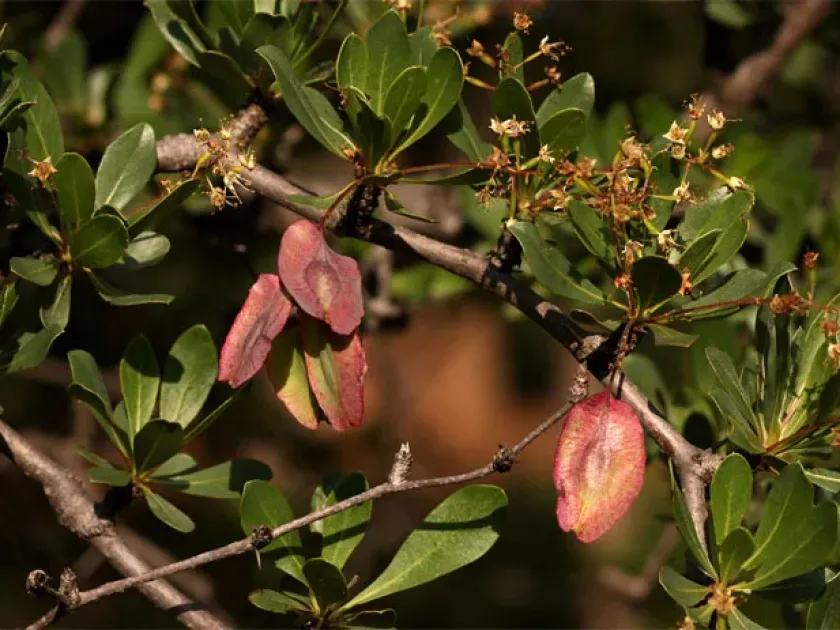
Description
Growing requirements
Terminalia randii belongs to the Combretaceae family and is native to the tropical landscapes of Africa. It is a resilient woody species that has adapted to survive in varying moisture levels, characteristic of its natural savannah or forest habitats.
This species thrives in well-drained sandy or loamy soils. Agricultural success with this plant depends heavily on preventing soil compaction and ensuring that the root system has access to sufficient aeration throughout the growing season.
The climate requirements for Terminalia randii are strictly tropical. It prefers consistent warmth and requires a frost-free environment to maintain its metabolic activities and structural integrity throughout the year.
In terms of agricultural management, irrigation should be carefully timed to match the plant's growth cycles. During the dormant or dry season, water requirements significantly decrease, making drought tolerance a key trait of this plant.
For optimal results, plantation sites should receive full sunlight. While the tree can tolerate partial shade, maximum biomass production is typically observed in open areas with high solar exposure.
Main diseases and pests
The most significant threats to Terminalia randii include root diseases associated with waterlogged conditions. Excessive soil moisture is a primary trigger for fungal pathogens that compromise the vascular system.
Pests such as scale insects and spider mites are frequent invaders, particularly during periods of low humidity. These pests can cause significant defoliation if left untreated for extended periods.
Effective management involves consistent monitoring of leaf surface conditions and bark integrity. Early detection of pest infestations allows for targeted and efficient management strategies.
Sanitation practices are essential, including the removal and destruction of infected branches to prevent the spread of localized diseases across the entire grove or plantation area.
Biological control methods are recommended where possible to maintain the balance of the local ecosystem while protecting the trees from persistent agricultural pests.