
Terminalia paniculata
Terminalia paniculata
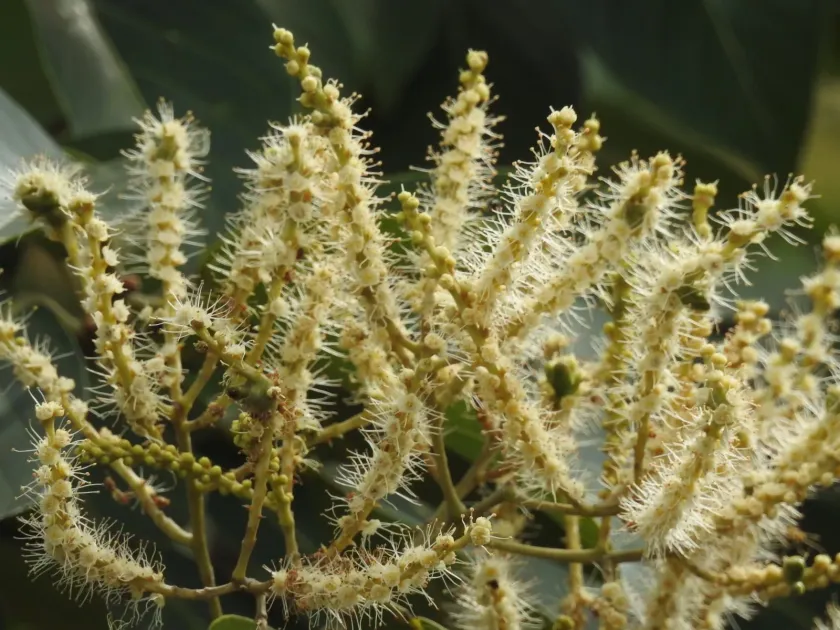
Description
Growing requirements
Terminalia paniculata is a large deciduous tree belonging to the Combretaceae family. In its natural environment, it serves as a significant component of tropical forest ecosystems, characterized by its impressive height and robust wood development.
Its primary region of origin is the Indian subcontinent, specifically the western slopes of the Western Ghats in India. The plant prefers moist tropical forests and well-drained slopes, where rainfall is sufficient to support active growth throughout the season.
For successful cultivation, the crop requires deep, fertile, and well-aerated soils. It is highly sensitive to air humidity and requires a distinct dry period, which is essential for triggering its natural seasonal growth cycles.
The tree exhibits strong light-seeking behavior, especially in its youth, when competition for solar radiation in dense forests becomes a survival factor. While it can withstand temporary shade, it reaches its maximum biomass on open, sunny plantations.
Propagation in agroforestry is primarily achieved through seeds. The seeds demonstrate high germination rates when proper temperature and moisture conditions are maintained in nurseries before they are transplanted to their permanent sites.
Yield
The economic value of Terminalia paniculata lies mainly in its high-quality timber. The wood is highly regarded for its strength, durability, and resistance to environmental degradation, making it a preferred choice for the construction industry.
The material is frequently used for manufacturing furniture, flooring, door frames, and structural beams. Due to its texture and ability to accept polishing, it is also utilized for decorative paneling and interior design elements.
Beyond construction, the wood is used in the plywood and pulp and paper industries. Quality standards for the raw material are determined by the density and grain characteristics, which fluctuate depending on the age of the tree and its growth environment.
In some regions, the plant is used for creating windbreaks and for the restoration of degraded lands. It has the ability to quickly recover the soil surface, effectively preventing erosion on slopes and contributing to sustainable land management.
The yield of timber depends directly on planting density and regular management of forest stands. The optimal harvesting cycle for this species typically ranges from 30 to 50 years, depending on the required log diameter and quality.
Main diseases and pests
Despite its high resilience, the species is susceptible to various fungal diseases that attack the bark and wood under excessive moisture conditions. Development of mold fungi is most prevalent in regions experiencing prolonged monsoon periods.
Among pests, stem borers, specifically larvae of longhorn beetles and jewel beetles, pose the greatest threat. These pests create galleries within the wood, which significantly lowers its commercial value and reduces its structural integrity.
Defoliating insects can also cause damage to young plantations by consuming foliage, which slows down the tree's growth rate. In nurseries, this issue is mitigated through monitoring and the targeted use of biopesticides to protect saplings.
Anthropogenic impact and uncontrolled logging remain major threats to natural populations. Poor plantation maintenance often leads to weed infestation, which competes with Terminalia for nutrients and limits its development.
A critical aspect of crop protection is maintaining biological diversity within forest stands. Natural predators, such as birds and beneficial insects, play a crucial role in limiting pest populations without the need for intensive chemical use.