
Terminalia buceras
Terminalia buceras
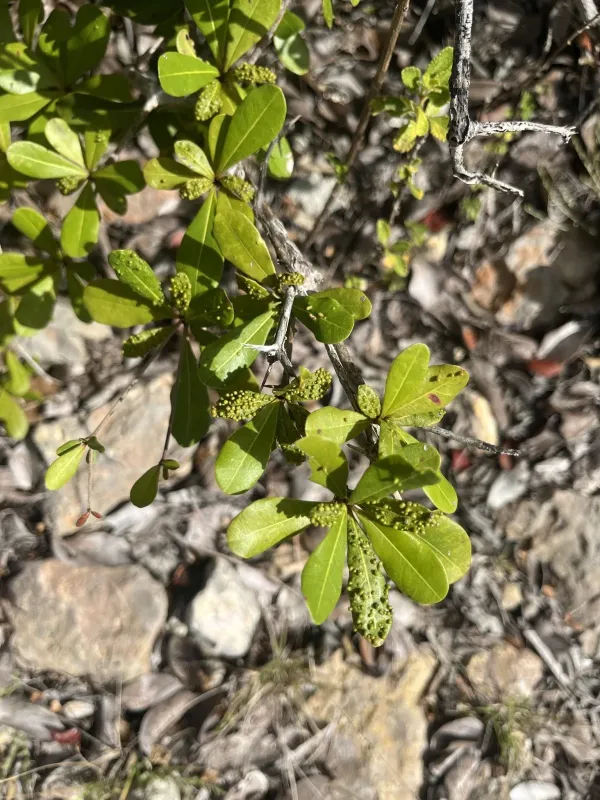
Description
Growing requirements
Terminalia buceras, commonly known as the Black Olive tree, is a prominent member of the Combretaceae family. Native to the coastal regions of the Caribbean, Mexico, and Central America, it is highly valued for its dense foliage and graceful, spreading crown.
This species thrives in tropical climates where the temperature remains consistently warm. It is strictly a frost-sensitive plant, meaning its cultivation is largely restricted to USDA hardiness zones 10 and 11, where it can reach its full potential as a shade tree.
When selecting a site for planting, it is essential to prioritize well-draining soil. While the tree can tolerate various soil types, including sandy and rocky substrates, it exhibits remarkable salt tolerance, making it an ideal choice for seaside landscapes.
Cultural practices should focus on establishing a strong root system during the first two years of growth. Once matured, Terminalia buceras becomes moderately drought-tolerant, though supplemental irrigation remains beneficial during extended dry spells to maintain leaf density.
The tree serves several хозяйственное functions, ranging from large-scale urban landscaping to providing essential shade in parks. Because of its sturdy wood and salt resistance, it is often utilized as a windbreak in coastal areas, effectively protecting more sensitive vegetation.
Main diseases and pests
Pest management for Terminalia buceras primarily involves monitoring for scale insects and mites. These pests tend to colonize the underside of leaves and tender stems, potentially causing yellowing and stunted growth if left unmanaged.
Fungal pathogens represent a significant risk, particularly during seasons characterized by high humidity. Diseases like leaf spot and trunk cankers often emerge in crowded plantings where air circulation is restricted and moisture remains on the canopy for too long.
Strategic pruning is the most effective preventative measure against disease outbreaks. By thinning out the canopy annually, gardeners can ensure better light penetration and airflow, which drastically reduces the microclimate suitability for mold and fungi.
When applying pesticides or fungicides, it is recommended to use environmentally friendly options to protect local biodiversity. Always check for pest presence in the early stages, as outbreaks are significantly easier to control before the population reaches critical levels.
- Regular inspection of leaf surfaces and stems for signs of infestation.
- Implementation of thinning cuts to improve canopy aeration.
- Avoiding excessive overhead watering to keep foliage dry.