
Terminalia bialata
Terminalia bialata
Description
Growing requirements
Terminalia bialata is a prominent tree species belonging to the Combretaceae family, native to the tropical forests of the Andaman Islands. It is widely recognized in the timber industry for its unique and aesthetically pleasing wood.
This species thrives in tropical climates characterized by high rainfall and warm temperatures throughout the year. It requires a humid environment to maintain active vegetative growth and development.
The tree prefers deep, fertile, and well-drained soils, typically found in alluvial plains. Providing adequate drainage is essential, as the roots are sensitive to waterlogging, which can lead to fungal issues.
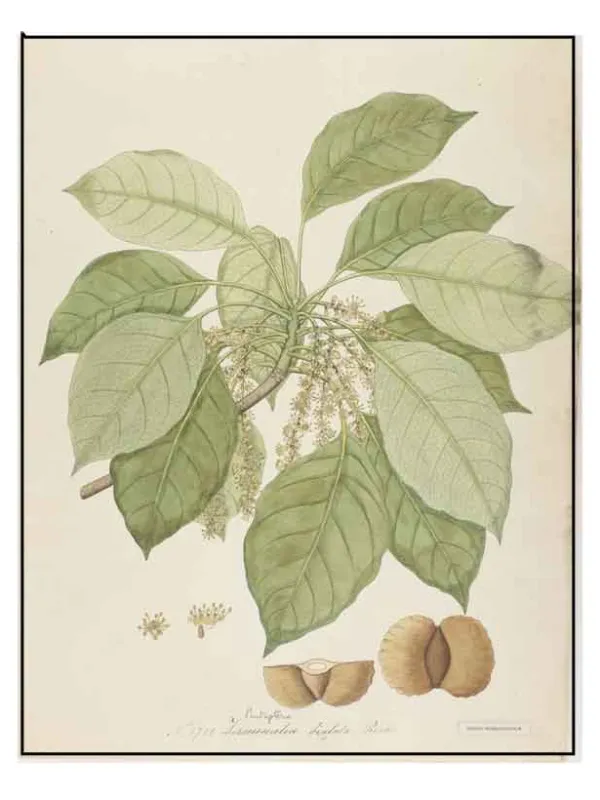
Botanically, it is classified as a large deciduous tree. It features distinctive foliage and produces winged fruits, a common trait for species within the Terminalia genus, facilitating dispersal by wind.
Economically, Terminalia bialata is highly valued for its timber, commonly sold as Indian Silver Grey. This wood is prized for its fine texture, distinct color patterns, and is used extensively in high-end joinery and veneer production.
Main diseases and pests
Terminalia bialata is susceptible to various pathogens that thrive in high-humidity tropical environments where the trees are grown.
Root rot caused by soil-borne fungi is a significant threat, especially in areas with poor drainage or compacted soil structures.
Wood-boring insects represent a major concern, as their activity can degrade the commercial value of the timber by creating tunnels within the tree trunk.
Defoliating insects may cause substantial damage to young saplings, potentially stunting growth and affecting the overall health of the plantation.
Effective management includes regular monitoring for early signs of decay and implementing appropriate silvicultural practices to maintain stand vigor.