
Branch oyster
Pleurotus cornucopiae (Pers.) Rolland.
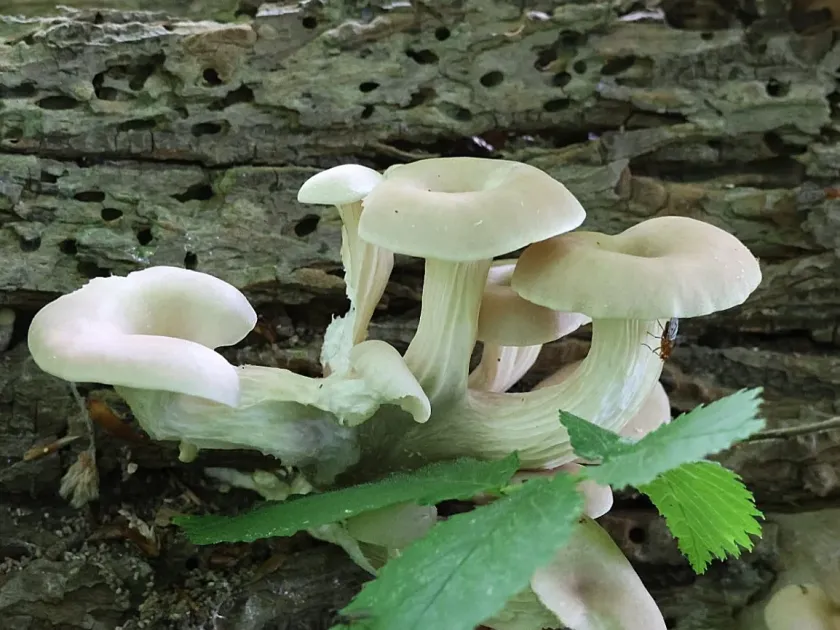
Description
Sowing dates
The branch oyster mushroom, known scientifically as Pleurotus cornucopiae, is a productive species within the Pleurotaceae family. Cultivation begins with the preparation of a suitable lignocellulosic substrate, such as cereal straw or sunflower seed hulls, which must be pasteurized to eliminate competing organisms.
Inoculation with high-quality mushroom spawn is performed once the substrate has cooled to approximately 20–25 degrees Celsius. The mixture is then packed into plastic bags or specialized containers, creating the environment necessary for the mycelium to colonize the substrate.
The incubation phase lasts between 15 and 20 days, requiring a dark, temperature-controlled environment kept at 22–24 degrees Celsius. Proper air exchange during this period is minimal, but the substrate temperature must be monitored to prevent overheating.
Once the substrate is fully colonized by the white, thread-like mycelium, it is transitioned to the fruiting stage. This involves introducing cooler temperatures and increased humidity, signaling the mushroom to initiate the growth of fruiting bodies.
Success in sowing depends on the purity of the spawn and the nutritional content of the substrate. Using balanced mixtures with added nitrogen sources can enhance the vigor of the mycelium, leading to faster colonization times.
Growing requirements
Pleurotus cornucopiae thrives at air temperatures between 16 and 20 degrees Celsius during the fruiting phase. High relative humidity, maintained between 85 and 90 percent, is essential to prevent the delicate caps from drying out during their rapid growth phase.
Unlike the incubation phase, the fruiting stage requires light. Providing 8–10 hours of indirect light per day with an intensity of 100–200 lux is necessary for the development of healthy, well-formed mushroom caps.
Ventilation is vital for managing gas exchange, specifically the removal of excess carbon dioxide. If CO2 levels exceed 0.1 percent, the mushrooms will exhibit stunted caps and overly elongated stems, significantly reducing their market value.
The substrate acidity should ideally range between 6.0 and 7.5. Keeping the environment clean and sterile is paramount, as the high humidity required for mushroom growth also creates perfect conditions for unwanted mold and bacteria.
Consistent environmental monitoring using automated climate control systems is recommended for commercial operations to ensure the stability required for multiple flushes of mushrooms.
Yield
The biological efficiency of the branch oyster mushroom typically reaches 20–30 percent of the wet substrate weight. With precise control over climate and substrate quality, growers can expect high, consistent yields across several harvest flushes.
Production usually occurs in cycles or "flushes," with the first two flushes often yielding the largest and most uniform mushrooms. A recovery period of 7–10 days between flushes allows the mycelium to replenish its resources.
To maximize total yield, growers must maintain stable conditions post-harvest. Any dramatic change in temperature or humidity during the recovery phase can weaken the mycelium and lead to a significant drop in subsequent crop output.
Strategic perforation of the growing bags influences the size and clustering of the mushrooms. Proper spacing prevents overcrowding and ensures each fruiting body has enough space to reach its full potential size.
Consistent yield tracking and management allow growers to adjust their nutrient inputs and environmental settings, optimizing the farm's total annual productivity and profitability.
Main diseases and pests
Green mold (Trichoderma) is the most significant threat to mushroom farms. It is a highly aggressive competitor that can colonize substrates if the pasteurization process is incomplete, leading to complete crop failure.
Fungus gnats and phorid flies are common insect pests that damage mushrooms by laying eggs and consuming the mycelium and fruiting tissues. Implementing pest exclusion netting and strict hygiene protocols are essential defensive measures.
Bacterial blotch, caused by Pseudomonas tolaasii, manifests as dark, slimy patches on the mushroom caps. It is primarily triggered by standing water or improper airflow that prevents the cap surface from drying after misting.
Viral infections can cause deformation and yield loss, typically introduced through poor-quality spawn. Sourcing spawn from certified, reputable laboratories is the primary defense against such issues.
- Rigorous pasteurization of substrates.
- Use of air filtration on ventilation inlets.
- Daily hygiene and waste removal from grow rooms.
- Monitoring for pest activity with sticky traps.
Harvesting
Harvesting should occur just before the mushroom caps begin to curl upward at the edges. Harvesting at the peak of maturity ensures the best texture, flavor, and shelf life for the consumer.
Mushrooms are harvested by cutting the entire cluster at the base. It is important not to leave large stumps behind, as these act as a food source for bacteria and rot, potentially compromising the health of the next flush.
Post-harvest handling involves placing the mushrooms in perforated containers that allow for continued respiration. This prevents the build-up of heat and moisture, which would otherwise cause rapid deterioration.
Branch oyster mushrooms are delicate and should be handled with care to avoid bruising. Cold chain logistics, maintaining temperatures between 0 and 4 degrees Celsius, will keep the product fresh for several days.
Proper record-keeping of harvest weights by batch allows growers to identify the most productive substrate formulations and environmental regimes, driving continuous improvement in the growing process.