
Swertia japonica
Swertia japonica
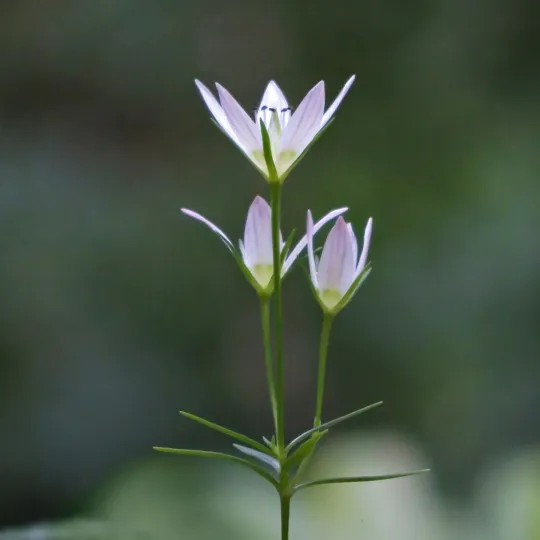
Description
Sowing dates
Swertia japonica is typically an annual or biennial herbaceous plant, making the timing of sowing crucial for the development of a healthy leaf rosette. In temperate climates, seeds should be sown in late autumn or early spring, as soon as soil temperatures reach approximately 5-8 degrees Celsius.
The seeds of this species are remarkably small, requiring a shallow sowing method with minimal soil coverage. Consistent moisture is vital during the germination phase, and many growers employ light peat mulching or breathable garden fleece to prevent the seeds from drying out before sprouting.
In large-scale production, maintaining specific plant spacing is essential to ensure adequate nutrient access for each individual. A row-seeding method with 30-40 centimeters between rows is considered standard, facilitating efficient mechanical weeding and maintenance throughout the growing season.
Since germination can be slow and sporadic, it is highly recommended to prepare the seedbed thoroughly to ensure it is free from aggressive weeds. A clean start significantly reduces the need for manual weeding in the early stages, allowing the slow-growing Swertia seedlings to establish firmly.
Autumn sowing is often preferred in regions with cold winters, as the seeds benefit from a natural cold stratification process. This natural conditioning leads to more uniform and vigorous spring emergence, providing a distinct advantage for the overall health and productivity of the crop.
Growing requirements
This plant thrives in specific soil conditions, preferring light, loamy, or sandy textures that offer excellent drainage and aeration. Swertia japonica is particularly sensitive to waterlogging, making sites with low water tables or raised beds mandatory to prevent root-zone suffocation.
The optimal soil pH range for this Gentianaceae family member is between 6.0 and 7.0. Soils that are too alkaline can inhibit the uptake of vital micronutrients, often resulting in chlorosis and reduced production of the plant's characteristic bitter compounds.
As a light-loving species, Swertia japonica requires open, sunny locations for optimal development. Shading can negatively impact the plant's metabolic processes, leading to stunted stems and a significant decline in the concentration of secondary metabolites within the aerial parts.
Temperature management should focus on maintaining moderate conditions, ideally between 18 and 24 degrees Celsius. While it is hardy, the plant struggles under extreme heat and drought, so irrigation systems are often necessary to maintain a stable microclimate during the peak summer months.
Moisture requirements are consistent but strictly moderate. Frequent, shallow watering is preferred over deep, infrequent drenching to avoid the risk of root rot, which remains the primary challenge in the agronomic management of this medicinal crop.
Main diseases and pests
The primary threats to Swertia japonica are fungal pathogens triggered by excessive soil and air humidity. Root rots and damping-off can devastate entire crops if drainage is insufficient, highlighting the importance of strict water management and site selection.
Pests such as aphids and spider mites are common during dry spells, damaging the foliage and draining the plant of vitality. Furthermore, these pests often act as vectors for viral infections, which can spread rapidly and permanently compromise the health of the entire field.
Nematodes represent a hidden but significant threat, particularly in fields with intensive cropping histories. Implementing a robust crop rotation plan, ensuring that Swertia is not planted in the same location for at least 3-4 years, is the most effective way to prevent soil-borne infestation.
Slugs and snails can cause significant damage to young seedlings, especially in damp conditions. Using simple physical barriers or eco-friendly deterrents can help protect the young plants without resorting to heavy chemical inputs that might affect the quality of the raw material.
Regular field scouting is essential to identify and isolate infected plants early. Swift removal and proper disposal of diseased material prevent the spread of pathogens, ensuring the integrity and quality of the remaining harvestable crop.
Harvesting
Harvesting should be synchronized with the peak flowering phase, as this is when the concentration of xanthones and bitter glycosides is highest. Harvesting too early or too late will lead to a lower-quality product, as nutrient distribution changes significantly during the seed-set phase.
Plants are typically cut on dry, sunny days to ensure that moisture content is minimized at the point of harvest. Using sharp, clean blades is vital to ensure a clean cut, preserving the plant's structural integrity if further biomass is required later in the season.
The drying process must begin immediately after harvesting to prevent decomposition. Using mechanical dryers with controlled temperatures not exceeding 45 degrees Celsius ensures that the delicate chemical profile is preserved and that the color of the herb remains vibrant and high-quality.
Once dried, the raw material must undergo thorough sorting to remove discolored leaves, woody fragments, or soil particles. Quality control is based on the intensity of the plant's bitter taste and a uniform appearance, both of which indicate high levels of therapeutic active ingredients.
Storing the final product requires dry, well-ventilated, and dark environments to protect it from degradation. When packed in breathable paper or fabric containers, Swertia japonica maintains its efficacy for approximately two years, after which its medicinal properties begin to wane.