
Corymbia ptychocarpa
Corymbia ptychocarpa (F. Muell.) K. D. Hill & L. A. S. Johnson
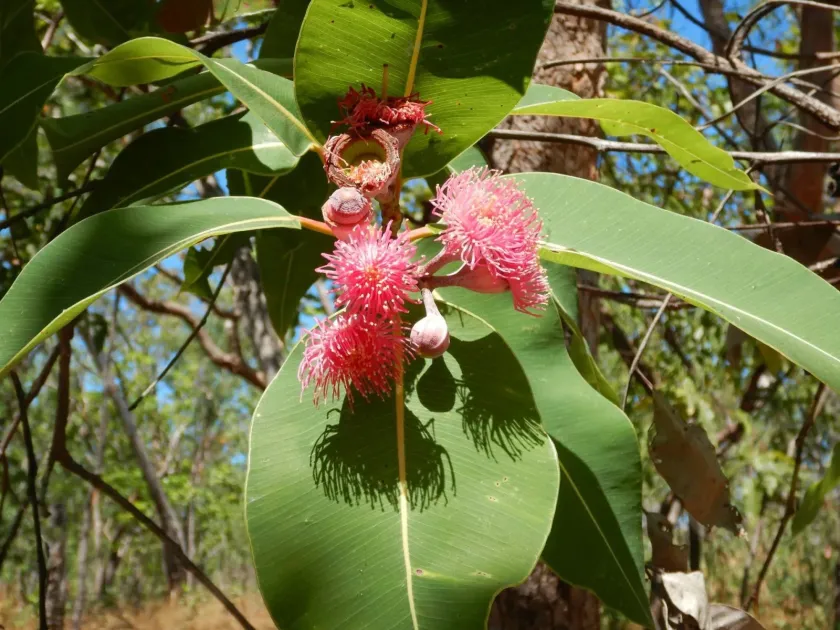
Description
Sowing dates
Propagation of Corymbia ptychocarpa is typically achieved through seeds sown in a well-draining, organic-rich growing medium. Seeds require a consistent temperature of 20–25 degrees Celsius to trigger germination effectively.
Pre-treatment of seeds, such as soaking or brief stratification, can enhance germination rates. In controlled nursery conditions, seedlings generally emerge within two to four weeks if the humidity is kept at moderate levels.
Young seedlings are sensitive to damping-off disease, so keeping the soil mix light and aerated is crucial for survival. Spring is considered the most favorable time for sowing to ensure optimal light conditions for development.
Once true leaves appear, seedlings should be moved into individual pots with adequate drainage. A gradual transition to stronger light and environmental conditions is necessary before planting them in the final location.
A full-sun position is essential for the healthy growth and flowering of this species. Selecting a site with maximum daily sun exposure will prevent legginess and promote strong, dense foliage growth.
Growing requirements
Corymbia ptychocarpa, a member of the Myrtaceae family, is native to the tropical northern parts of Australia. It thrives in environments characterized by distinct wet and dry seasons, adapting well to tropical heat.
The tree prefers sandy or loamy soils with excellent drainage properties. It is highly intolerant of waterlogged conditions, which can lead to quick root death, so choosing a well-drained slope or elevated site is recommended.
Temperature management is the most significant challenge in cultivation, as the species cannot survive frost or prolonged cold snaps. In temperate climates, it must be kept as a container plant and moved indoors during winter.
The root system is expansive, requiring deep soil for proper anchoring in landscape settings. Regular irrigation is beneficial during the establishment phase, though mature specimens demonstrate moderate drought tolerance.
Fertilization should be handled carefully, as many Australian native plants are sensitive to phosphorus. Using slow-release fertilizers formulated for native species will provide the necessary nutrients without causing toxic stress to the roots.
Main diseases and pests
Fungal infections, particularly leaf spot and powdery mildew, are the primary disease concerns for this species. These usually occur in environments with poor air circulation or excessive overhead moisture.
Common pests include scale insects and mealybugs, which tend to congregate on tender new growth. Infestations can be managed by applying horticultural oils or systemic insecticides when the pests are first spotted.
Leaf miners can occasionally infest the foliage, leaving disfiguring tracks. While usually not fatal to a healthy tree, severe infestations may warrant the use of integrated pest management practices to maintain aesthetics.
Root rot caused by Phytophthora or other water-borne fungi remains a major threat in poorly drained soils. Sterilizing the potting media and ensuring water flows freely through the root zone are the best preventative measures.
Maintaining the overall health of the tree through correct pruning of deadwood and avoiding water stress significantly reduces the plant's susceptibility to secondary infections and pest colonization.