
Spotted gum
Corymbia maculata (Hook.) K. D. Hill & L. A. S. Johnson
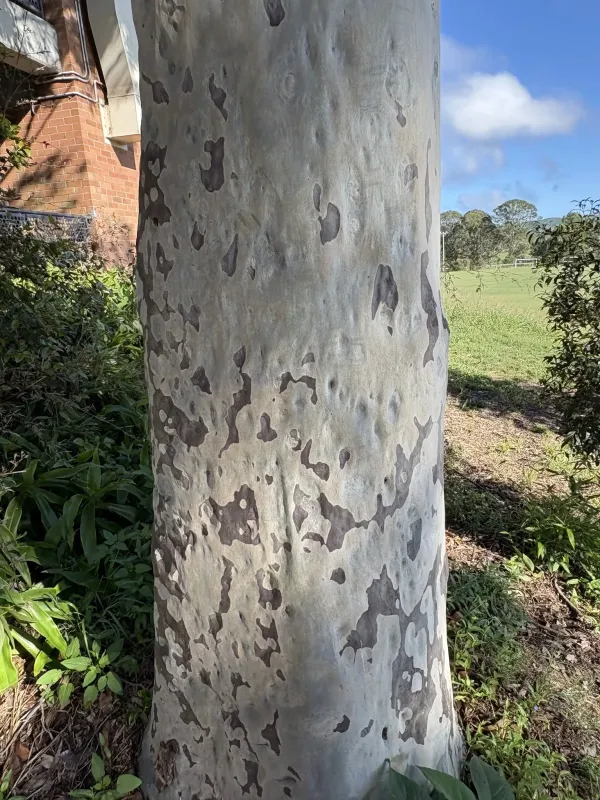
Description
Sowing dates
Spotted gum is primarily propagated from seeds sown in well-prepared nursery beds or controlled environments. Ensuring high-quality, fresh seeds is essential for maximizing germination rates in professional forestry operations.
The optimal time for sowing is during the spring months when soil temperatures are rising. Seeds should be sown on the surface and lightly covered with soil or vermiculite, as light exposure is often required for the process to begin.
Young seedlings require attentive care, including consistent moisture and protection from harsh weather conditions. Once they reach a height of approximately 20 centimeters, they are typically hardened off before transplantation.
Field planting density is determined by the intended outcome, whether it is high-value timber production or plantation restoration. Standard spacing for timber stands is generally around 3 meters to allow for proper canopy development.
Ongoing maintenance involves keeping the base of the seedlings free from competition by weeds. This allows the tree to establish its root system effectively during the first critical two years of growth.
Growing requirements
Belonging to the Myrtaceae family, Corymbia maculata is a native of Australia that thrives in subtropical and warm temperate regions. It is highly valued for its adaptability to a range of environmental conditions.
The tree prefers deep, well-drained soils, ideally with a neutral to slightly acidic pH. While it can survive on poorer soils, it shows its best growth potential on fertile, moisture-retentive, but not waterlogged substrates.
Full sun is essential for the healthy development of this species. It is a light-demanding tree, and any significant shading during its juvenile phase will negatively impact its growth rate and stem form.
Temperature tolerance is a key consideration, as the species is sensitive to severe frost. It performs best in areas where extreme cold is not a regular occurrence, making it suitable for moderate climatic zones.
Good soil aeration is critical. In areas where heavy clay soils prevail, land preparation involving deep ripping or the installation of proper drainage systems is recommended to prevent root-related issues.
Yield
Spotted gum is highly regarded in the forestry sector for its rapid growth rate and the exceptional quality of its wood. It is a primary species for sustainable hardwood production in its native range.
The timber obtained from this species is known for its durability, strength, and attractive features. It is extensively used for structural engineering, high-end flooring, decking, and architectural joinery.
Beyond timber production, the trees serve important ecological roles, including providing habitat for local fauna and acting as an effective windbreak. Their aesthetic appeal also makes them popular in large-scale landscaping.
The economic yield of a spotted gum plantation is measured by the volume and quality of the logs produced. With appropriate silvicultural practices, including periodic thinning, producers can maximize the harvest of premium-grade timber.
Carbon sequestration is an additional benefit of these fast-growing trees, contributing to environmental conservation goals in modern plantation management strategies.
Main diseases and pests
While relatively robust, spotted gum can be affected by various pests, including leaf-eating beetles and wood-boring insects. These can reduce the tree's vigor if infestations remain unchecked.
Fungal diseases, particularly those affecting the root system or causing leaf spots, are typically associated with poor drainage or high humidity conditions. Maintaining optimal moisture levels is the best defense.
Mechanical injuries to the bark can create entry points for pathogens and wood-decay fungi. Careful handling during pruning and other site maintenance activities is essential for protecting the tree's long-term health.
Integrated pest management (IPM) is the recommended approach to minimize the need for chemical intervention. Regular scouting of the plantation allows for early detection of any health issues.
- Ensure adequate spacing to promote good air circulation within the stand.
- Use certified disease-free planting stock for new plantations.
- Remove and destroy severely infested material to prevent the spread of diseases.