
Hybrid Corymbia
Corymbia ptychocarpa x Corymbia ficifolia
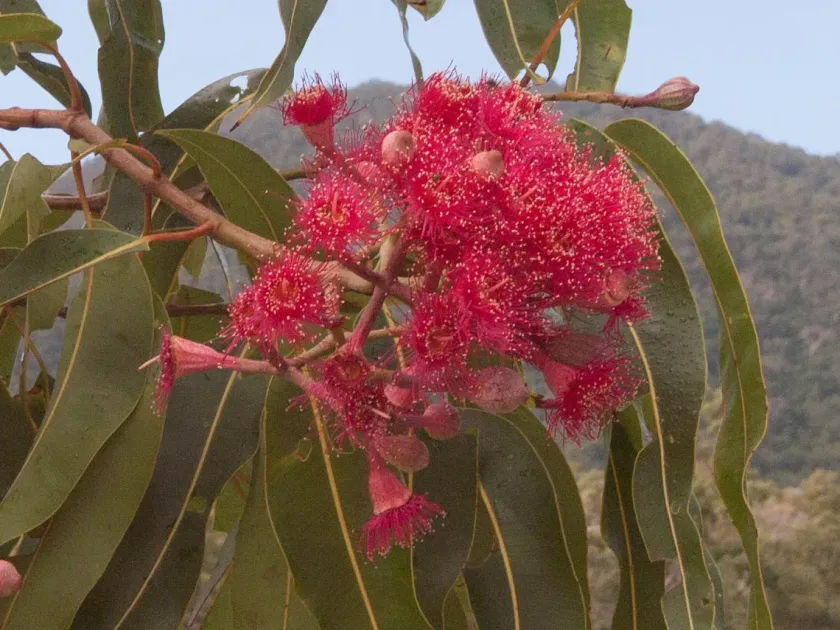
Description
Growing requirements
The hybrid Corymbia ptychocarpa x Corymbia ficifolia is a stunning ornamental tree belonging to the Myrtaceae family. It combines the drought tolerance of its parent species with an exceptional display of large, vibrant flowers, making it a prized specimen in warm-climate landscaping.
The culture thrives in well-drained, sandy, or loamy soils with a slightly acidic to neutral pH. Proper soil drainage is critical, as these trees are highly susceptible to root rot if the substrate remains waterlogged for extended periods.
The species requires full sun exposure to maintain its health and maximize flowering potential. It is not frost-tolerant and should be grown exclusively in tropical or subtropical regions where temperatures remain consistently above freezing.
Agricultural management involves deep, infrequent watering once established and the use of fertilizers specifically formulated for native Australian plants, which typically avoid high phosphorus levels to prevent nutrient toxicity.
Primarily used in urban landscaping, streetscapes, and private garden design, this hybrid serves as a focal point due to its dense foliage and impressive seasonal blooms.
Main diseases and pests
Fungal diseases, including leaf spot and root pathogens, are the most frequent health issues affecting this hybrid, particularly in humid environments with restricted airflow.
Insect pests such as scale insects, mealybugs, and borers can compromise the structural integrity of the tree. Keeping the plant vigorous through proper nutrition is the best defense against infestations.
Preventative measures include regular crown thinning to ensure good air circulation and the application of systemic fungicides if fungal symptoms appear on the foliage.
Soil management is key to preventing threats; ensuring the planting site is elevated or properly engineered for runoff prevents the onset of soil-borne pathogens.
Regular monitoring of the tree canopy for discoloration or wilting is recommended to detect any pest or disease outbreaks before they escalate into systemic problems.