
Lemon-scented gum
Corymbia citriodora (Hook.) K. D. Hill & L. A. S. Johnson
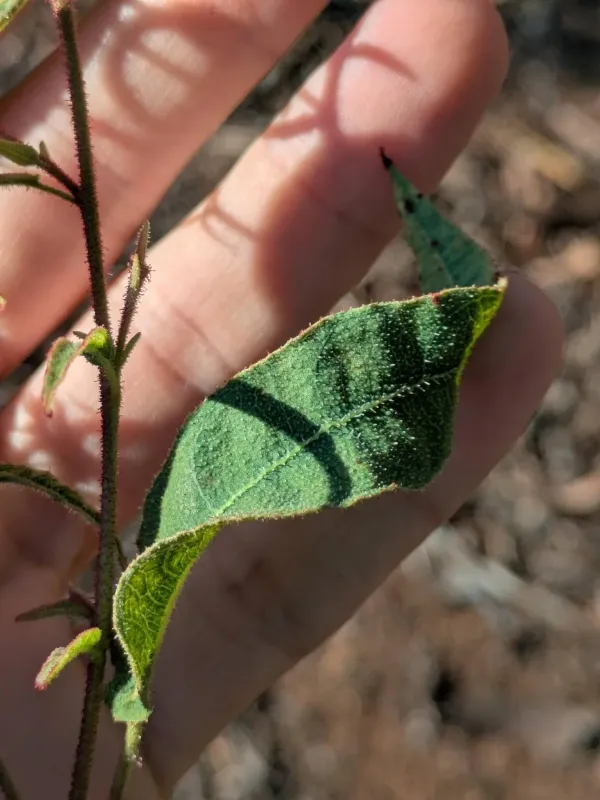
Description
Sowing dates
Propagation of Corymbia citriodora is primarily done through seeds, which require consistent warmth and moisture to germinate. Sowing is typically performed in seed trays or nursery flats under controlled conditions.
The ideal temperature for germination is between 20°C and 25°C. Seeds should be sown on the surface of a light, well-draining soil mix and covered with only a very thin layer of fine vermiculite or sand.
Maintaining high humidity is crucial during the early stages of development. Using a plastic cover or a misting system helps keep the microclimate stable until the first true leaves appear.
Once seedlings reach about 5-10 centimeters in height, they should be transplanted into individual pots to develop a robust root system. This process ensures the plants are strong enough for eventual field planting.
Timing is critical, as young plants are highly sensitive to frost. They should be hardened off gradually before being moved to permanent outdoor locations during the spring season.
Growing requirements
The Lemon-scented gum is a member of the Myrtaceae family, native to the tropical and subtropical forests of northeastern Australia. It is a striking tree known for its smooth bark and the potent lemon-like scent of its foliage.
Full sun is an absolute requirement for this species. It needs at least 6 to 8 hours of direct sunlight daily to thrive and produce the characteristic essential oils that make it a valuable crop.
The soil must be deep, well-draining, and rich in organic matter. While it can adapt to various soil types, it performs best in sandy loams with a slightly acidic to neutral pH balance.
Watering should be moderate; the tree is somewhat drought-tolerant once established, but regular irrigation is necessary during the growth phase to maximize biomass production.
In cooler climates, it must be grown as a container plant. It is not frost-hardy and requires protection from temperatures dropping below freezing to prevent irreversible damage to the vascular tissues.
Yield
The primary economic output of this crop is its essential oil, which is rich in citronellal. Yield is largely dependent on the frequency of harvesting the fresh foliage, which triggers new growth.
High-density planting systems can significantly increase the total yield of leaf material per hectare. Regular pruning serves a dual purpose: harvesting the product and shaping the plant for mechanical maintenance.
Nutrient management, particularly nitrogen levels, plays a key role in leaf density. Efficient fertilization schedules ensure that the plant continuously produces high-quality aromatic foliage throughout the season.
Processing yield is maximized by using steam distillation techniques immediately after harvesting. The fresher the leaves, the higher the quality and volume of the extracted oil.
Market demand for the oil in fragrance and natural repellent industries continues to support the profitability of large-scale cultivation of this specific eucalyptus species.
Main diseases and pests
Spider mites are a common threat, especially in greenhouse environments where low humidity and high temperatures create favorable conditions for their rapid reproduction.
Root rot caused by Phytophthora species can occur if the soil remains waterlogged for extended periods. Proper drainage and soil aeration are the best preventative measures against these pathogens.
Leaf spot diseases, often caused by fungal infections during wet seasons, can reduce the quality of the harvested material. Regular monitoring and removing infected branches help manage the spread.
Scale insects and aphids may infest young stems. Integrated pest management, including the use of horticultural soaps or neem oil, is effective in keeping these populations under control.
Preventative cultural practices such as spacing plants correctly to allow airflow are essential for reducing the risk of fungal outbreaks in dense plantation settings.
Harvesting
Harvesting involves the collection of foliage and soft succulent stems, which contain the highest concentration of aromatic compounds. This is usually done using specialized harvesting machines.
The harvested biomass must be transported quickly to the processing facility. Oxidation and evaporation of volatile oils occur rapidly if the material is left exposed to high heat after being cut.
- Assessment of leaf maturity and fragrance intensity
- Mechanical pruning of the upper canopy
- Quick transfer to cooling/distillation facilities
- Removal of woody sticks and debris from foliage
Drying for non-oil purposes requires careful control of air circulation and temperature. Temperatures above 40°C will drive off the light, citrus-scented molecules, decreasing product quality.
Final storage should be in airtight, moisture-proof containers. Maintaining a cool, dark environment is essential to preserve the integrity and shelf life of the extracted oil or dried leaves.