
Styrax subniveus
Styrax subniveus
Description
Growing requirements
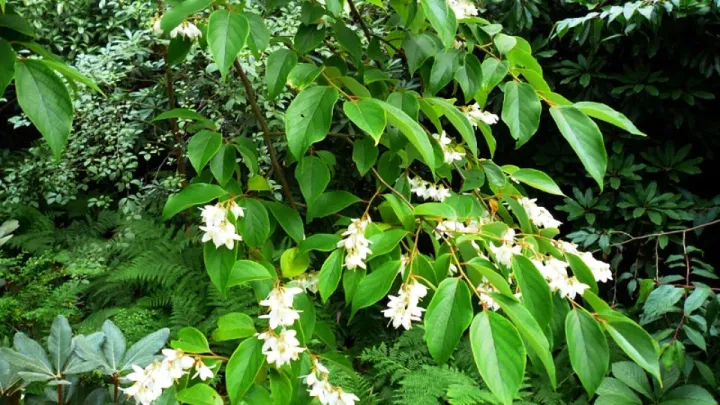
Styrax subniveus is a notable species within the Styracaceae family, valued primarily for its elegant, white, snow-like blossoms and graceful habit. It is highly sought after by collectors of unique woody ornamental plants.
The native distribution of this species is centered in specific mountainous regions of China. It flourishes in ecosystems that provide consistent soil moisture and moderate temperatures throughout the growing season.
Successful cultivation requires a site with well-draining, humus-rich soil, preferably with a slightly acidic pH. The plant performs poorly in heavy or compacted soils, which can lead to root suffocation and eventual decline.
Styrax subniveus thrives in partial shade conditions. While it requires adequate light for healthy development, the intense midday sun can scorched the delicate foliage, making a sheltered position in the garden ideal.
Cultural maintenance involves routine mulching to conserve soil moisture and suppress weed competition. Young plants should be provided with adequate water during dry spells to ensure steady growth and establishment.
Main diseases and pests
Fungal diseases, including leaf spot and various rots, pose a significant risk to the overall health of the plant. These threats are exacerbated by poor air circulation and excessive humidity in the plant's immediate environment.
Pests such as aphids and scale insects are common occurrences during the spring and early summer. Monitoring the undersides of leaves and using horticultural soaps can effectively mitigate these infestations before they spread.
Root rot caused by Phytophthora or Pythium species is a major threat in soils with poor drainage. Proper site preparation and the use of raised beds or improved drainage systems are highly recommended to prevent such outbreaks.
Chlorosis, usually caused by improper soil pH or nutrient deficiencies, can weaken the plant and make it more susceptible to secondary pests. Applying chelated iron and adjusting soil pH are effective corrective measures.
Overall, the vulnerability of Styrax subniveus is closely linked to its specific ecological needs. By strictly adhering to these requirements, gardeners can significantly reduce the pressure of pests and diseases.