
Taiwan snowbell
Styrax formosanus
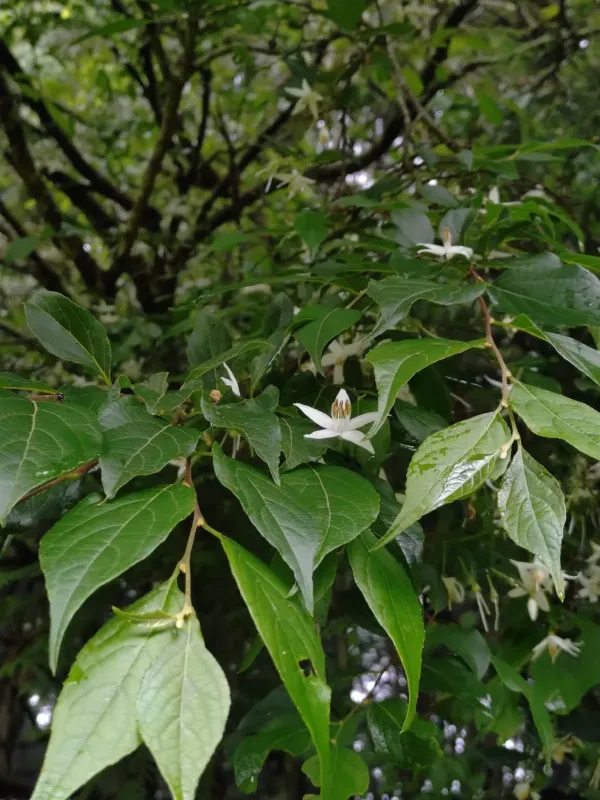
Description
Sowing dates
Propagation of Styrax formosanus is typically performed via seeds, which require stratification to break seed dormancy and ensure successful germination.
Seeds should be sown in the autumn, allowing them to undergo natural cooling cycles throughout the winter. This practice mimics the tree's natural growth cycle.
For vegetative propagation, softwood cuttings are used during the early summer months. Using rooting hormones significantly increases the success rate of the cuttings.
The planting medium must be well-draining, consisting of peat, sand, and perlite mixtures. Maintaining consistent moisture is essential, but waterlogging must be avoided.
Young seedlings should be kept in a shaded nursery environment for the first year. They require protection from extreme weather conditions until they are established.
Growing requirements
The Taiwan snowbell belongs to the Styracaceae family and is highly valued for its elegant, bell-shaped white flowers that bloom in the spring.
The species is native to Taiwan and parts of Southeast Asia, thriving in moderate climates with high humidity levels and well-protected sites.
Soil requirements include acidic, organic-rich, and loamy substrates. It is essential to avoid alkaline soils, as the plant may develop chlorosis in such conditions.
It prefers a location with morning sun and afternoon shade. Providing a sheltered position prevents wind damage to the delicate branches and foliage.
Consistent watering is necessary, especially during the dry summer season. Mulching the root zone helps retain moisture and regulates soil temperature effectively.
Main diseases and pests
The primary threats to Styrax formosanus include fungal leaf spots and root rots, which are often exacerbated by poor drainage and limited air circulation.
Scale insects and spider mites are common pests that feed on the sap of the tree. They can cause premature leaf drop and weaken the overall vitality of the tree.
To mitigate these risks, it is essential to prune away dead or infected branches annually. This increases airflow within the canopy and improves sunlight penetration.
Integrated pest management, including the use of horticultural oils and systemic fungicides, is recommended if pest populations exceed tolerable thresholds.
Ensuring the tree is not planted too deep prevents crown rot, a common issue that occurs when the base of the trunk remains damp for long periods.