
Common Struthanthus
Struthanthus vulgaris
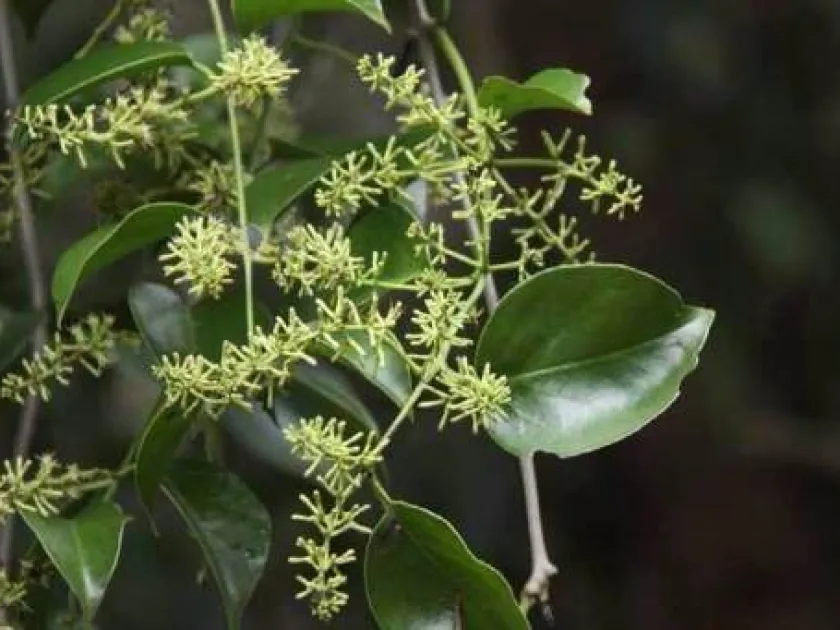
Description
Growing requirements
Common Struthanthus (Struthanthus vulgaris) is a perennial hemi-parasitic plant belonging to the Loranthaceae family. Native to the tropical forests of South America, this plant is primarily found in regions where the climate remains warm and humid throughout the year.
As a hemi-parasite, it derives essential water and minerals from its host plants through specialized structures known as haustoria. Despite its parasitic behavior, the plant remains photosynthetic, meaning it can produce its own energy alongside the nutrients it absorbs from the host.
The ecological distribution of this species is highly dependent on the presence of suitable host trees that can support its growth. In its natural habitat, it thrives in canopy environments, taking advantage of the light and atmospheric moisture provided by the forest structure.
While not a traditional agricultural crop, Struthanthus vulgaris is of significant interest for its medicinal properties. Traditional practitioners have utilized extracts from its leaves for generations, often preparing decoctions to treat a variety of inflammatory conditions.
Scientific research into this plant focuses on identifying its secondary metabolites, such as flavonoids and tannins. These compounds are studied for their potential therapeutic benefits, contributing to the field of natural pharmacology and botanical medicine.
Main diseases and pests
The primary concern regarding this plant is its status as a biotic stressor for host trees. When infestations become severe, the host tree may suffer from nutrient deficiencies and structural damage, leading to reduced vitality and an increased risk of branch breakage.
In forest management, control measures are sometimes necessary to protect high-value timber or fruit trees from excessive colonization. Natural pests, such as leaf-eating insects and certain fungi, act as natural regulators, preventing the plant from becoming overly dominant in the environment.