
Struthanthus flexicaulis
Struthanthus flexicaulis
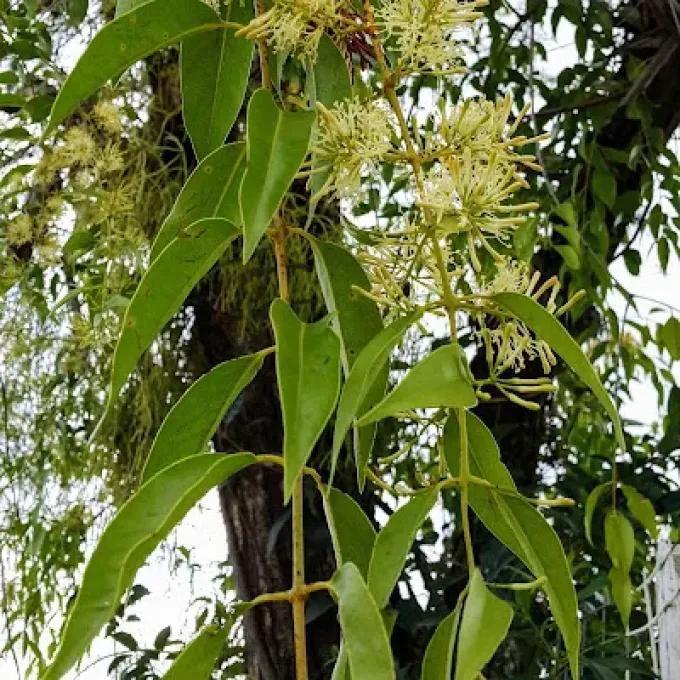
Description
Growing requirements
Struthanthus flexicaulis is a hemiparasitic shrub species belonging to the Loranthaceae family. It is recognized for its flexible stems, which allow it to spread across the canopies of host trees in its native habitat.
As a hemiparasite, the plant maintains its photosynthetic ability while relying on its host for water and dissolved minerals. It establishes a connection with the host's vascular tissue through highly evolved structures known as haustoria.
The species is endemic to South American ecosystems, particularly thriving in the tropical forests and savannah-like regions of Brazil. It prefers environments with high humidity and stable annual temperatures to sustain its metabolism.
Optimal growth occurs in the upper canopy layers where sunlight exposure is maximized. Being a hemiparasite, it requires light to fuel its own chlorophyll-based nutrient production, unlike fully parasitic plants that lack greenery.
Its ecological niche is tied to the survival of host species. The plant is versatile, capable of exploiting a wide array of woody plants, which ensures its survival even when specific host species are scarce or under environmental stress.
Main diseases and pests
The primary natural threats to Struthanthus flexicaulis include herbivorous insects such as coleopterans and lepidopteran larvae. These insects have evolved mechanisms to consume the tissues of the parasitic shrub despite potential chemical defenses.
Fungal pathogens represent a significant threat to the plant's health, particularly in stagnant, high-humidity environments. These infections can lead to tissue decay and compromise the haustorial attachment point.
The host plant itself can act as a defensive barrier, as many trees develop thickened bark or chemical responses to wall off invading haustoria. This evolutionary struggle dictates the longevity of the parasitic relationship.
Environmental fluctuations, such as severe droughts, reduce the flow of nutrients in the host's xylem, directly impacting the fitness of the parasite. Limited water supply can lead to the wilting of the parasite's foliage.
Habitat loss due to deforestation poses the greatest threat to this species. The reduction in the population of host trees limits the colonization opportunities for seeds, leading to a localized decline in the species' presence.