
Stillingia lineata
Stillingia lineata
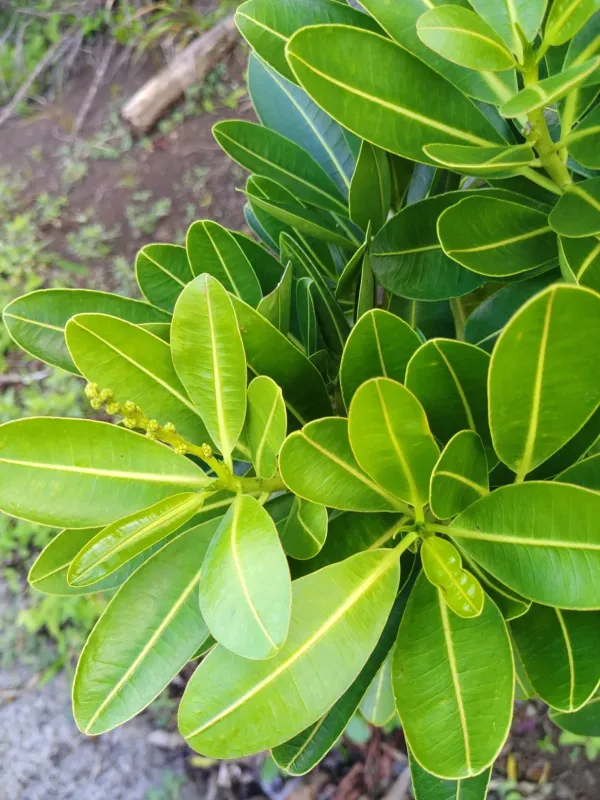
Description
Growing requirements
Stillingia lineata is a perennial shrub belonging to the Euphorbiaceae family, widely recognized for its unique physiological adaptations to tropical ecosystems. It is characterized by its linear foliage and robust woody structure, which allow it to thrive in specific environmental niches.
The plant requires well-drained, nutrient-rich soil to ensure optimal root development. A neutral to slightly acidic soil reaction is ideal, as extreme pH levels can inhibit the uptake of essential micronutrients, leading to chlorosis and stunted growth of the plant.
Light availability plays a crucial role in the development of Stillingia lineata. It prefers locations that provide consistent sunlight but requires protection from intense midday heat, which can damage the delicate cellular structure of its leaves.
Water management is the most critical aspect of the cultivation of this species. While it requires a consistent water supply to maintain cellular turgor, waterlogging must be strictly avoided to prevent anaerobic conditions in the root zone.
In terms of agricultural management, regular pruning is recommended to maintain the plant's structural integrity and promote healthier side-shoot development. This ensures that resources are distributed efficiently throughout the canopy during peak growth periods.
Main diseases and pests
Fungal diseases are a major concern when the environmental parameters are not met, particularly regarding humidity and air circulation. Root rot and powdery mildew are frequently reported in greenhouses or areas with poor ventilation.
Pest pressure from mites and scale insects poses a constant threat to the vitality of the plant. These pests often congregate on the underside of the foliage, making them difficult to detect until significant damage has already occurred.
Integrated pest management (IPM) strategies, including the introduction of beneficial insects or the use of mild horticultural oils, are effective in controlling populations without damaging the plant's delicate tissues.
Soil-borne pathogens represent another significant risk, often introduced through contaminated irrigation water or tools. Maintaining strict hygiene practices within the nursery or field is essential for preventing the spread of these organisms.
Regular monitoring of plant health, including visual inspections and soil testing, allows for early detection of potential threats, ensuring that interventions are timely and minimize the need for aggressive chemical treatments.