
Spathiphyllum patinii
Spathiphyllum patinii
Description
Growing requirements
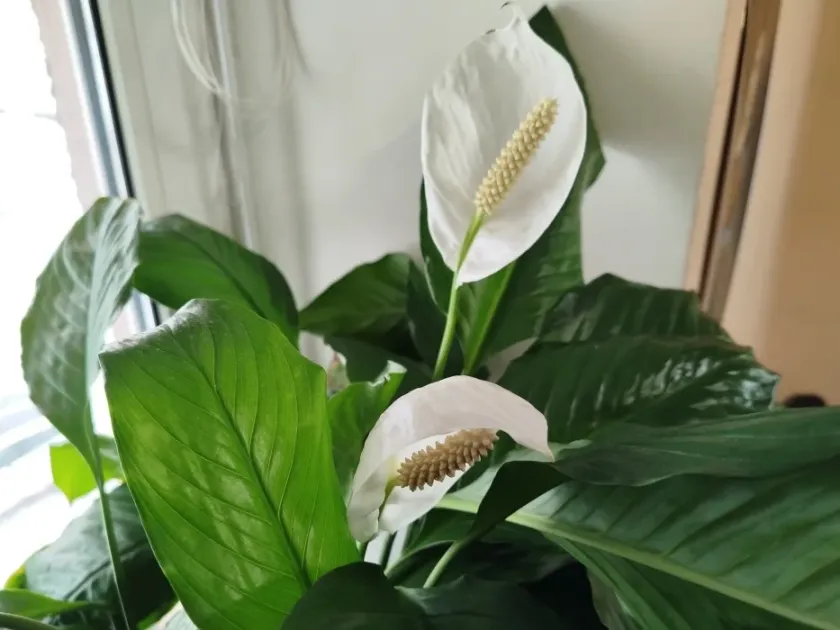
Spathiphyllum patinii is a perennial evergreen herbaceous plant belonging to the Araceae family. Originally native to the tropical rainforests of Colombia, this species has adapted to grow in shaded, humid environments under the forest canopy.
The crop thrives in stable temperatures ranging from 18°C to 24°C (65–75°F). It is highly susceptible to thermal stress caused by cold drafts or proximity to heating sources, which can cause significant damage to the foliage and root system.
Cultivation requires a nutrient-rich, loose, and slightly acidic substrate. A high-quality potting mix usually consists of peat moss, perlite, and pine bark to ensure adequate aeration and moisture retention while allowing excess water to drain freely.
Humidity management is essential for this plant. As a tropical species, it requires humidity levels between 60% and 70%. Regular misting or the use of humidifiers is recommended, especially in indoor environments during winter months.
Light requirements are focused on bright, indirect sunlight. Direct exposure to intense sun can scorch the delicate leaves. It is best placed in positions where it receives filtered light, such as east-facing windows or shaded indoor areas.
Main diseases and pests
Root rot is the most common pathology, typically triggered by overwatering or poor drainage. Maintaining a proper balance of soil moisture is vital to prevent fungal infections that target the roots and lower stems of the plant.
Spider mites are a prevalent pest in low-humidity environments. They cluster on the underside of leaves, causing mottling and discoloration. Monitoring for fine webbing is an essential practice for early detection and control.
Mealybugs often infest the leaf axils and stems, secreting a white, cottony substance. These pests suck the sap, leading to stunted growth and potentially introducing secondary viral or fungal infections to the crop.
Integrated pest management involves the use of targeted acaricides and insecticides. Routine hygiene, such as wiping down leaves with a damp cloth, helps deter pests and allows for early identification of any biological threats.
Proper aeration of the growing space and avoiding overcrowding of plants help significantly in preventing the spread of diseases and pests, ensuring the long-term health and vigorous development of the Spathiphyllum.